
Engineering Better Lives
This annual report for 2025/26 marks the beginning of a new five-year strategy period. Over the past year, we have laid strong foundations for the delivery of our vision to engineer better lives, combining long-term investment in our strategic priorities with agile responses to emerging societal need. In this first year of our 2025 to 2030 strategy, we have made good progress against our objectives towards our goals: a sustainable and innovative economy, technology improving lives, and an engineering community fit for the future.
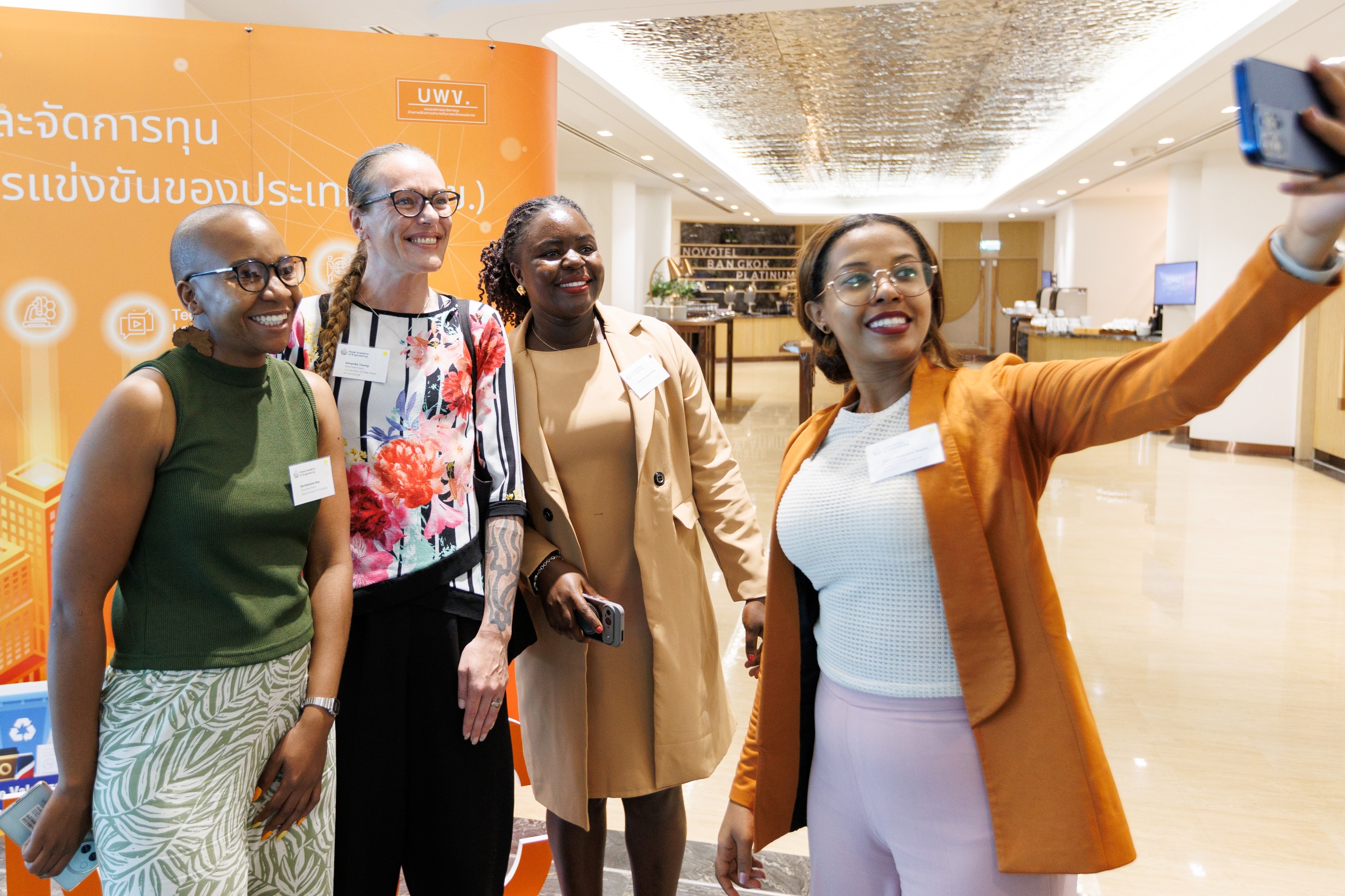
Attendees at the Frontiers Symposium in Thailand.
Sustainable and Innovative Economy
The Academy’s programmes and initiatives are designed to deliver engineering and technological solutions, alongside evidence-based policies, that foster a more sustainable, resilient, healthy, secure, and prosperous society.
Our ongoing efforts deliver impact nationally, and globally. We aim to enhance UK productivity, increase the availability of growth capital, and address regional inequalities. We also work to accelerate progress towards ambitious sustainability targets and support those most affected by global challenges.
Advising policymakers on sustainability and resilience
Over the past year, the National Engineering Policy Centre (NEPC) has engaged widely with policymakers and partners on pressing issues affecting sustainability and resilience.
In December, we launched Reviving our ageing infrastructure, a policy report urging the government to prioritise, invest and reform management of ageing infrastructure. Since then:
- The report was covered by the Today programme, BBC Radio 2, 5live, local radio stations and RAIL magazine
- We've had follow-up discussions with Ministers from the Department for Environment, Food & Rural Affairs (Defra) and the Department for Transport, as well as the Shadow Transport Secretary
- Our advice has fed into the Northern Ireland Road Maintenance Strategy and Scottish Infrastructure Strategy
Discover our Reviving our ageing infrastructure report
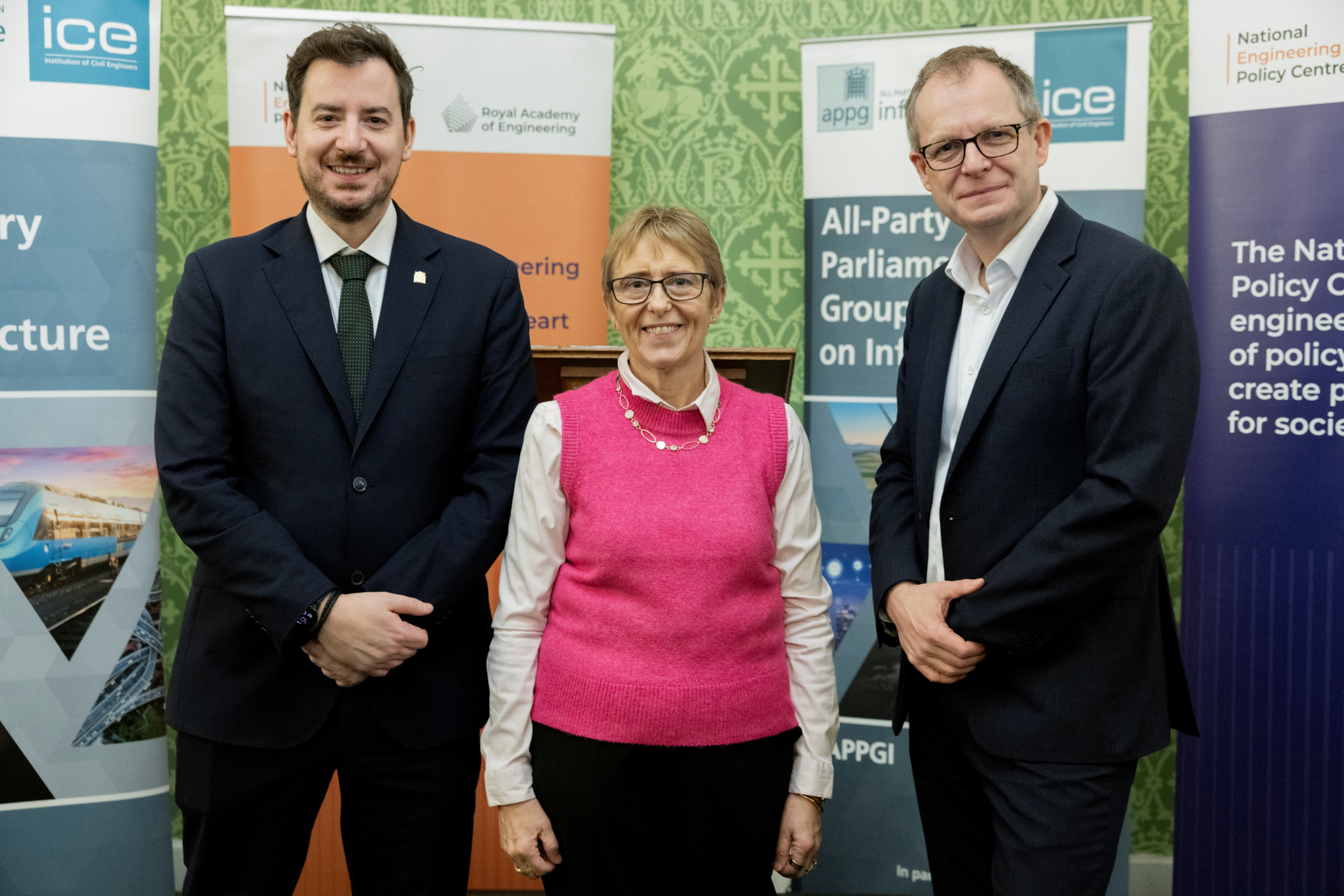
(Left to right) Mike Reader MP, chair of the All-Party Parliamentary Group on Infrastructure; Julie Wood, Senior Vice President of the Institution of Civil Engineers; and Dr Steve Denton FREng, Executive Director and Head of Civil Engineering at WSP as well as Chair of the working group and Academy Vice President, at the Reviving our ageing infrastructure report launch.
Advocating for sustainable and fair AI
- Since our Engineering responsible AI report came out in early 2025, we've continued to work with government stakeholders, alongside our partners at the IET and BCS.
- We co-hosted a roundtable in May with the Department for Science, Innovation and Technology, to inform their efforts to establish AI Growth Zones.
- We helped the Government Digital Sustainability Alliance to develop guidance on sustainable procurement and use of AI systems for the AI Knowledge Hub.
Sharing insights on clean power
During two visits to the National Academy of Technologies of France (NATF), we exchanged insights with our counterparts on electricity grid flexibility and stability.
- We brought four cross-party Members of Parliament from the House of Commons' Energy Security and Net Zero Committee on the second visit.
- The visit helped equip the MPs to scrutinise UK government energy policy, as well as contributing to scoping work for the Academy’s Clean Power Advisory programme.
We also had two back-to-back UK-China exchanges on renewable energy.
- Professor Deborah Greaves OBE FREng and Professor Susan Gourvenec FREng led one visit on the sustainability of offshore wind: now a China End-of-Life network is launching to continue this work.
- Professor Ravi Silva CBE FREng led a delegation for a UK-China Build Environment Exchange, focused on building-integrated photovoltaics and advanced materials.
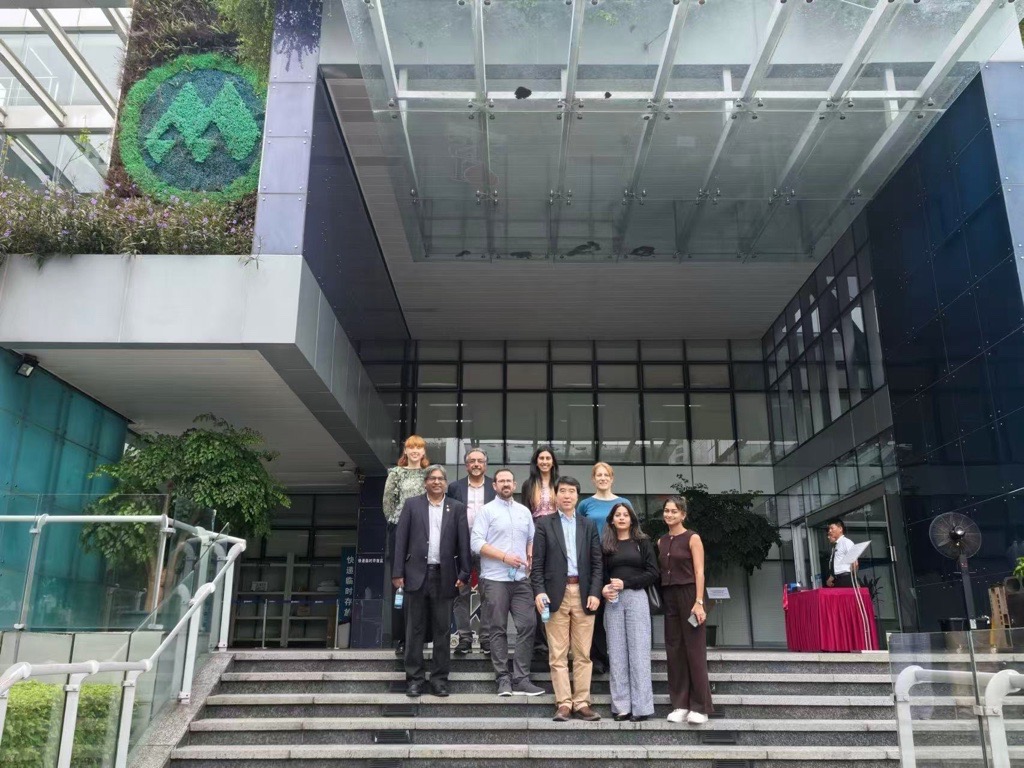
The UK delegation in China for the exchange on building-integrated photovoltaics.
Engineering X supports action on open waste burning
AMCEN, the African ministerial conference on the environment, endorsed a new regional roadmap to end the open burning of waste in Africa by 2040, with a target to reduce it by 60% by 2030.
- The roadmap was informed by an Engineering X-led workshop in Nairobi, delivered with Practical Action and UN-Habitat.
- Experts from 12 African countries helped define milestones and actions for the next 15 years.
- The work has helped raise awareness of waste burning as a major environmental and public health challenge.
Discover the roadmap

Sam Barker, LRF Impact Review, 2022, Nairobi, Kenya
The 2025 Africa Prize for Engineering Innovation
The 2025 Africa Prize for Engineering Innovation attracted entrepreneurs from across the continent, with members of the shortlist from Ghana, Kenya, Mozambique, Nigeria, Tanzania, Togo and Uganda.
Their innovations ranged from AI-powered accessibility tools and smart agriculture technologies to maternal healthcare solutions, clean energy systems, sustainable cold storage and alternative fuels made from recycled plastic.
- In October 2025, Kenyan innovator Elly Savatia won the 2025 Africa Prize for Engineering Innovation for Terp 360, an AI-powered sign language translation app.
- Terp 360 was developed with people who are deaf or hard of hearing. It uses 3D avatars and over 2,300 locally recorded signs to support natural, culturally relevant translation.
- The £50,000 prize will support further development of the app, including expansion into education, healthcare and the workplace.
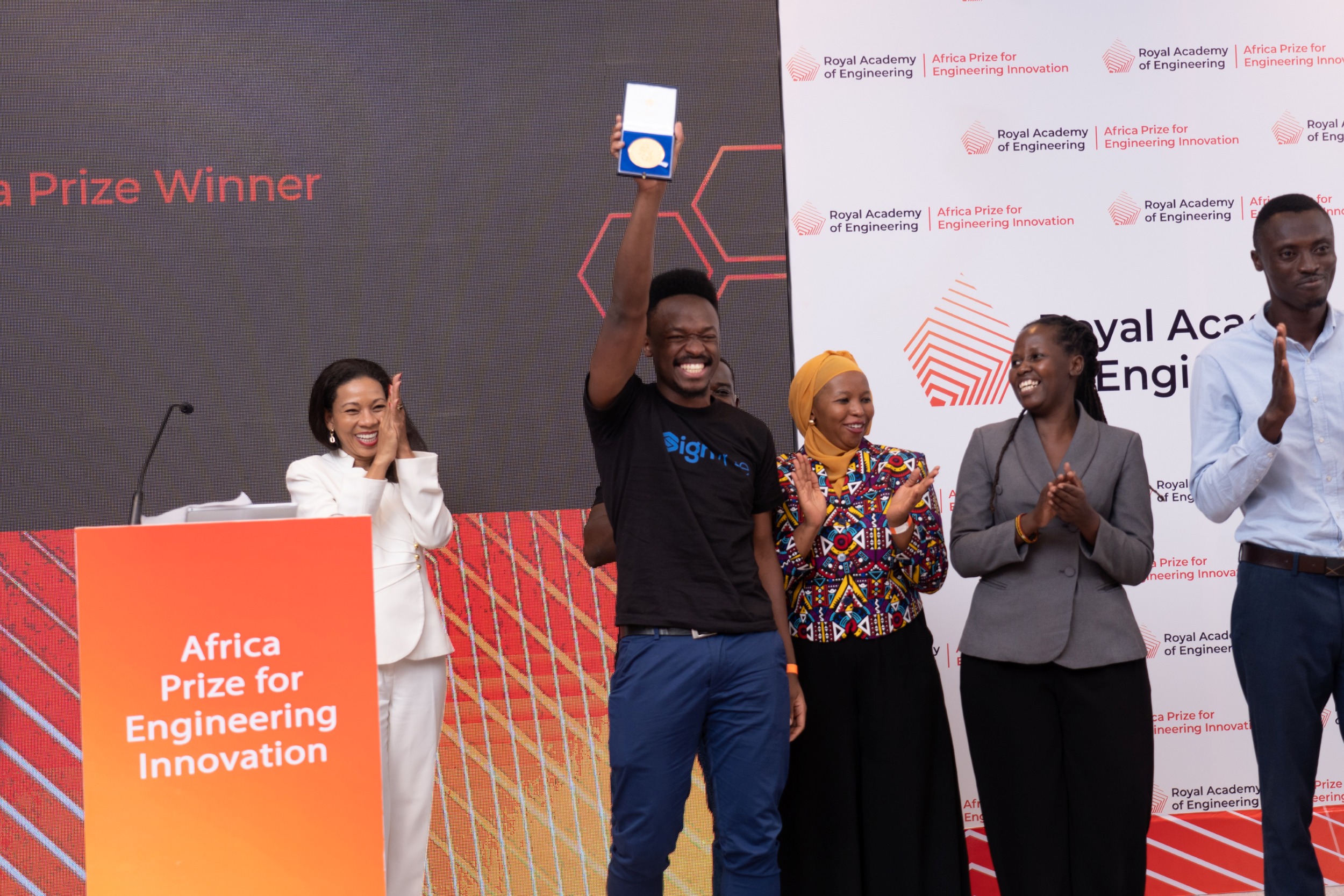
Elly Savatia was awarded the 2025 Africa Prize for Engineering Innovation at the final in Dakar. It was the first time the prize has been hosted in Senegal.
I'm totally grateful for this and it is a testament to the assistive technology work that is coming from Africa.
Over more than a decade, the Africa Prize for Engineering Innovation has helped engineering innovators start and scale businesses that deliver impact across Africa:
business supported
countries of origin
people employed by the businesses involved
people benefiting from the alumni's innovative products and services
Championing engineering entrepreneurs
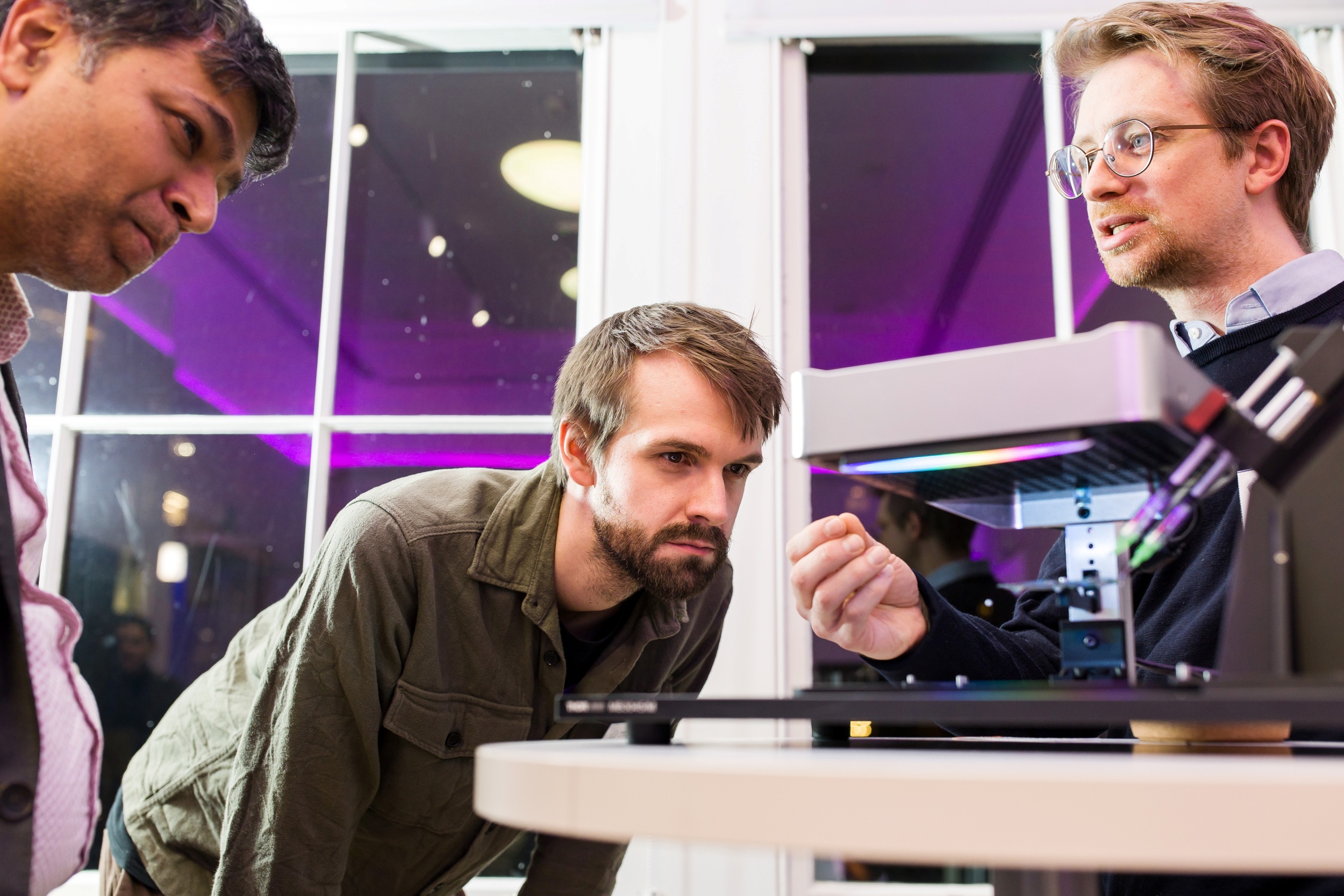
Hub members AcoustoFab demonstrate acoustic levitation at the Enterprise Hub Showcase.
- The Enterprise Hub was named the UK’s leading startup hub in 2026, topping the Financial Times, Statista and Sifted rankings for the third year running.
- The Hub also ranked 11th among 180 startup hubs across Europe.
- Our State of UK Deep Tech 2025 report identified the UK as the world’s third-largest deep-tech hub, with a growing ecosystem spanning AI, biotech, medical devices and quantum technologies.
- The report was shared with policymakers and innovation leaders, supported by an interactive dashboard.
innovators supported
jobs created across the UK
raised in follow-on investment
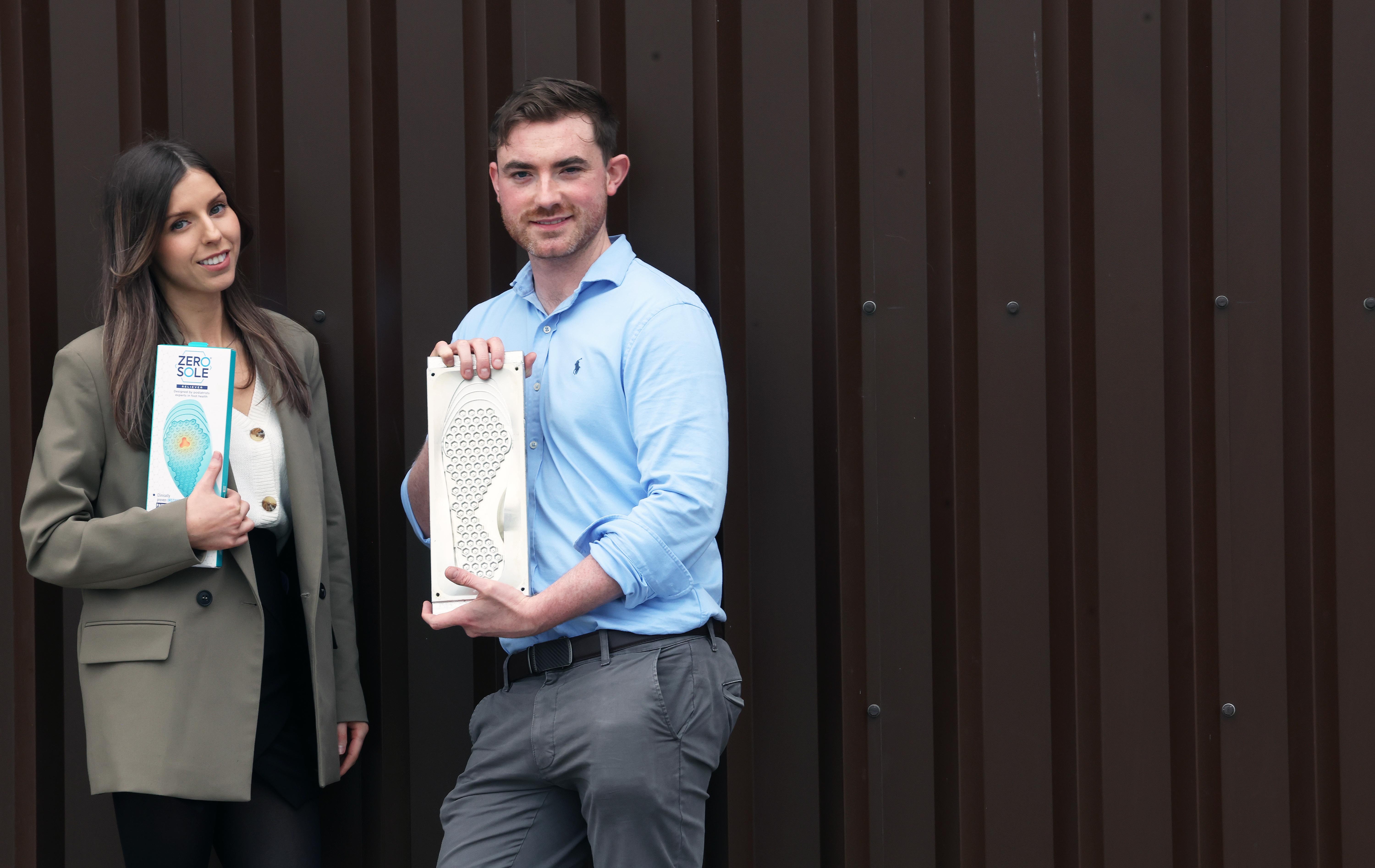
David Barton (right), co-founder of Kaydiar, is an awardee of the Enterprise Hub's Regional Talent Engines programme, which supports early-stage engineering and technology entrepreneurs, based in Northern England, Northern Ireland and Wales.
Impact from our regional enterprise programmes
The Regional Talent Engines programme has been instrumental in helping me move our ideas forward by providing essential knowledge and skills in business development and finance. Moreover, the programme has significantly boosted my confidence as a founder.


Technology Improving Lives
We want to shape a world in which technology in all its forms is used to meet the most important human needs, avoid harm, support fairer societies, and break down barriers to opportunity. Through the innovators we support, the communities we engage, the policymakers we provide advice to, and the life-changing engineering we celebrate, we aim to improve public trust and understanding of engineering, and support equitable development and deployment of technological solutions to society’s biggest challenges.
From evidence to policy
- Academy recommendations on wastewater pollution informed government policy, including the government's A new vision for water white paper. Read our work on wastewater.
- We continued to engage with Defra and the Independent Water Commission on water quality and public health.
- Findings from our Neighbourhood Health Commission were shared with the Department of Health and Social Care and are helping to inform its neighbourhood health work.

Our wastewater pollution report continues to inform government policy and action.
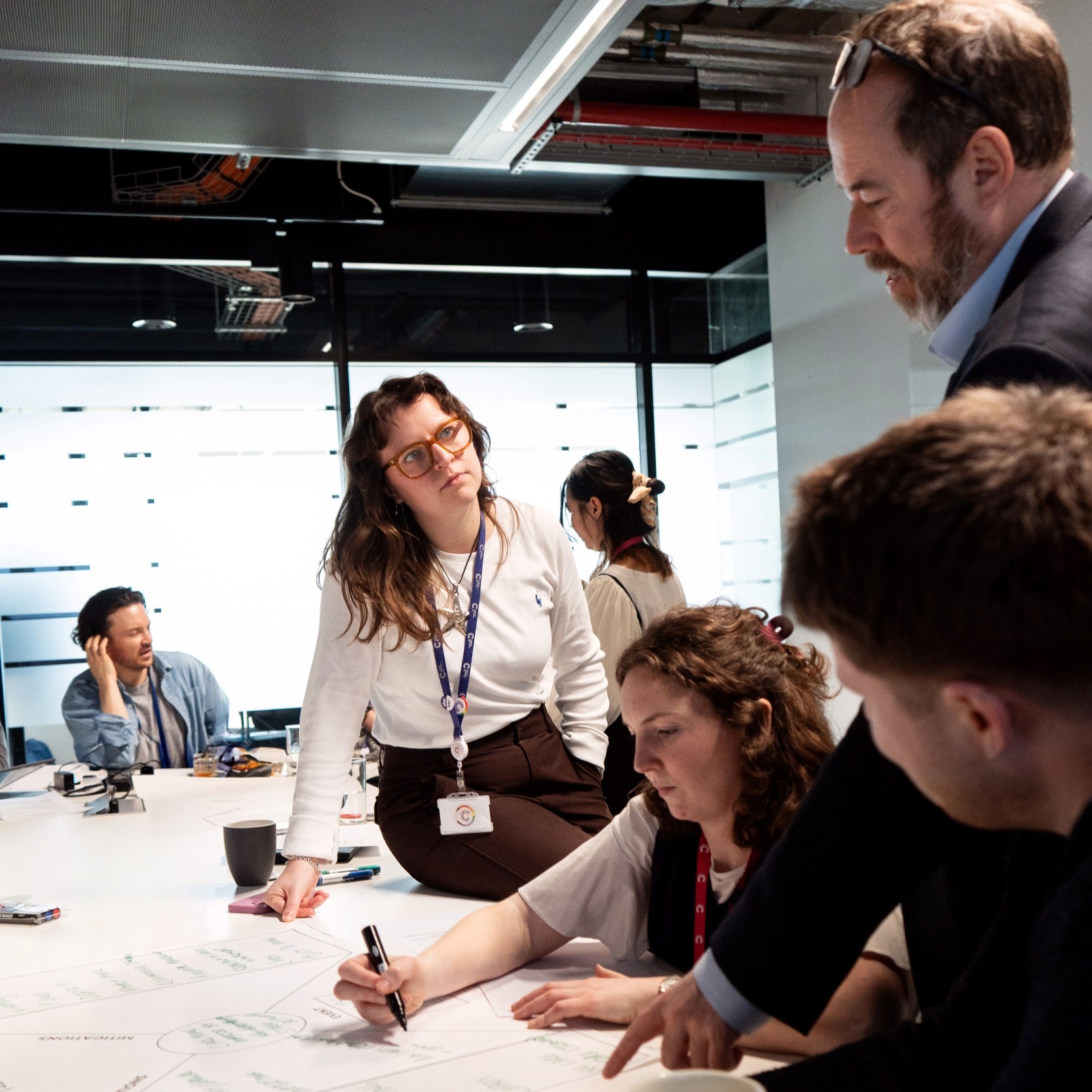
The Academy delivered a systems workshop for Cancer Research UK in March.
Building AI and systems capability in government
- We hosted a Practical AI workshop in Barnsley, in partnership with the Cabinet Office and Barnsley Council, bringing together Academy experts and public service teams.
- The workshop explored how to build the data, systems and governance foundations needed to apply AI effectively in public services.
- Through our partnership with the Policy Profession Unit, we continued to strengthen systems thinking across government.
- Our Systems Approaches in Government programme delivered nine workshops and sessions, reaching more than 250 policy professionals.
Listening to communities about AI
full day summits
regions of the UK
people from local communities, policy, research and innovation brought together
- The final People’s AI Stewardship Summits took place in Swansea and London in 2025.
- A first for the Academy, the summits brought together 148 members of the public and 90 stakeholders, including AI entrepreneurs, researchers and policymakers.
- Participants explored where AI could deliver the greatest benefit, alongside concerns about its impact on communities.
- The programme helped embed public perspectives on AI into the Academy’s work on policy, innovation and entrepreneurship.
In March 2026, the People’s AI Stewardship Summits received the Community Award at the Responsible AI UK 2026 AI & Robotics Research Awards.
Discover the People's AI Summits
We furthered our work on this theme in January 2026 by hosting an AI Adoption for Businesses Summit in collaboration with the Knowsley Chamber of Commerce at Central Hub in Liverpool. This brought together local organisations to explore how AI can drive measurable value while managing risk responsibly.
It has been truly inspiring to hear different voices, thoughts, concerns and ideas about AI and how it may shape the future of healthcare. The roundtable discussions have been thought-provoking and will influence our approaches to the deployment of clinical AI.
Stakeholder attendee, People’s AI Stewardship Summits
[the People’s AI Stewardship Summits] created powerful spaces for connection, bringing innovators together with local communities to ensure that those most affected by technology have a real voice in shaping and implementing AI and robotics innovations.
Judges at the Responsible AI UK 2026 AI & Robotics Research Awards
10 years of the UK Intelligence Community Postdoctoral Research Fellowships
- 2026 marks 10 years of the UK Intelligence Community Postdoctoral Research Fellowships.
- Delivered by the Academy on behalf of the Government Office for Science, the programme supports unclassified research relevant to the UK’s intelligence, security and defence communities.
- The fellowship brings together partners including the National Protective Security Authority, Defence Science and Technology Laboratory, Home Office, National Cyber Security Centre and UK National Authority for Counter Eavesdropping, helping align academic research with real-world security challenges.
- Longstanding collaboration with international partners in Australia and the United States provides additional opportunities for global research collaboration.
- More than 50 early-career researchers have been supported through funding, mentorship, professional development and specialist training, helping to strengthen UK research capability and talent pipelines in national security.
OrganOx: Winners of the 2025 MacRobert Award
- At our July 2025 Awards Dinner, OrganOx received the 2025 MacRobert Award for its metra® organ preservation device.
- The award generated coverage in The Times, Reuters, BBC News Oxford, BBC Tech Now and The Engineer, with Professor Coussios also interviewed by Times Radio and Sky News.
- Shortly after the award, OrganOx was acquired by Terumo in a £1.2 billion deal, attracting further national, engineering and business media coverage.
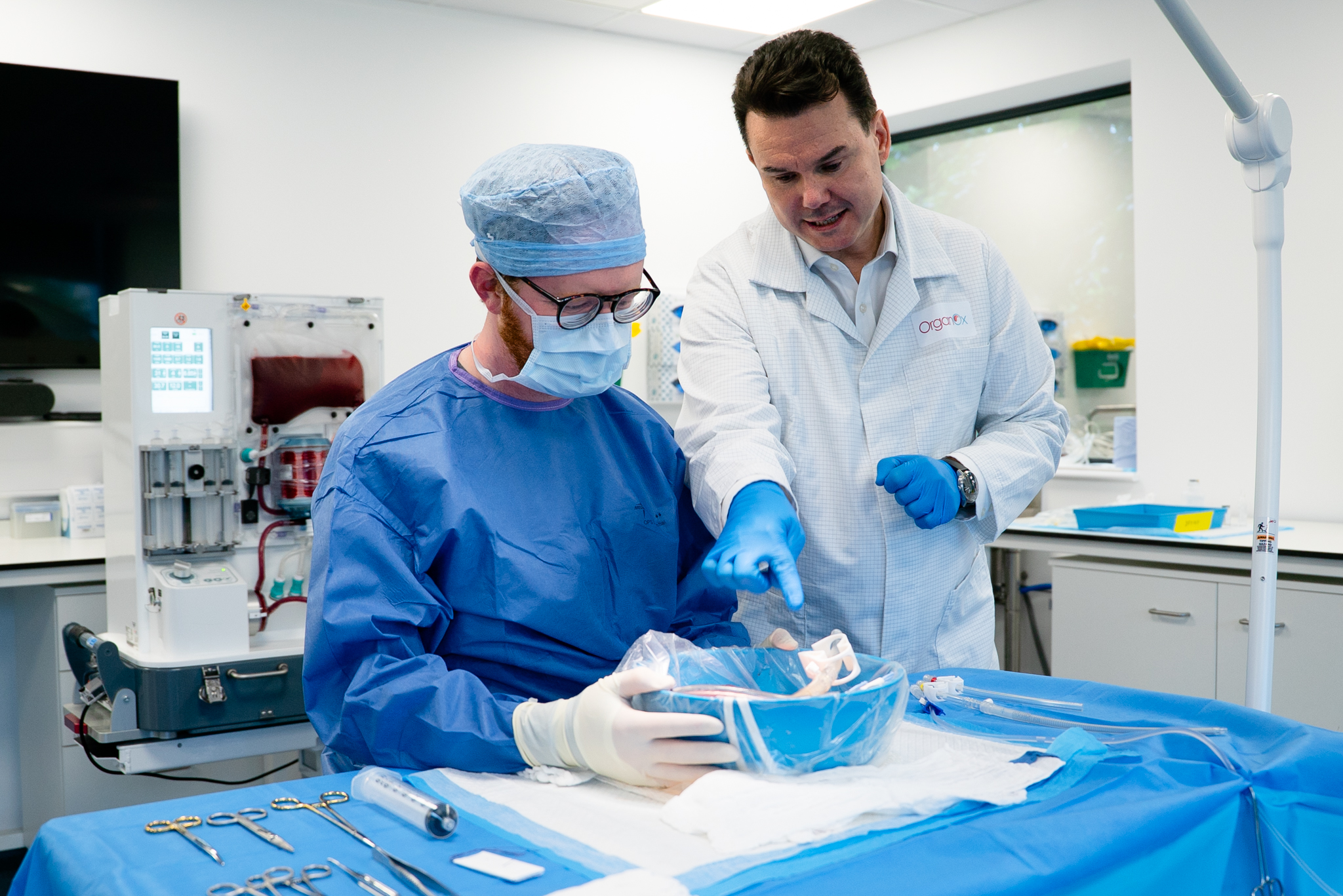
Professor Constantin Coussios OBE FREng FMedSci (right) is CTO and co-founder of OrganOx.
OrganOx has developed a truly game-changing and life-saving innovation that is at the forefront of efforts to increase the number of donor organs available for transplantation.
Chair of the MacRobert Award judging panel, Dr Alison Vincent CBE FREng


Engineering Community Fit for the Future
Our vision is for an engineering community that truly reflects the diversity of wider society, embraces inclusive excellence, and is equipped with the skills necessary to meet emerging challenges safely, securely and ethically. We aim to empower both established and aspiring engineers – including those from underrepresented groups – to keep pace with rapid innovation and to deliver outstanding and equitable outcomes for all parts of society.
Expanding school engineering opportunities in the Welsh Valleys
- Our This is Engineering: Schools programme expanded into the Welsh Valleys.
- 20 schools in Caerphilly joining the programme through support from the Welsh Government’s Tech Valleys programme.
- Students from Newbridge Comprehensive School visited Gorilla Group TV, where they interviewed the Welsh Government Minister for Culture, Skills and Social Partnership in a professional television studio.
- At Afon Taf High School, engineering GCSE students designed phone holders using CAD software, with their prototypes later 3D printed by Panasonic.
- 120 Year 7 students at Bedwas High School designed, manufactured and sold products made from recycled plastic using injection-moulding techniques.
- Islwyn High School launched an engineering club focused on practical engineering, robotics, 3D modelling and 3D printing, helping to prepare students for the introduction of an engineering GCSE.
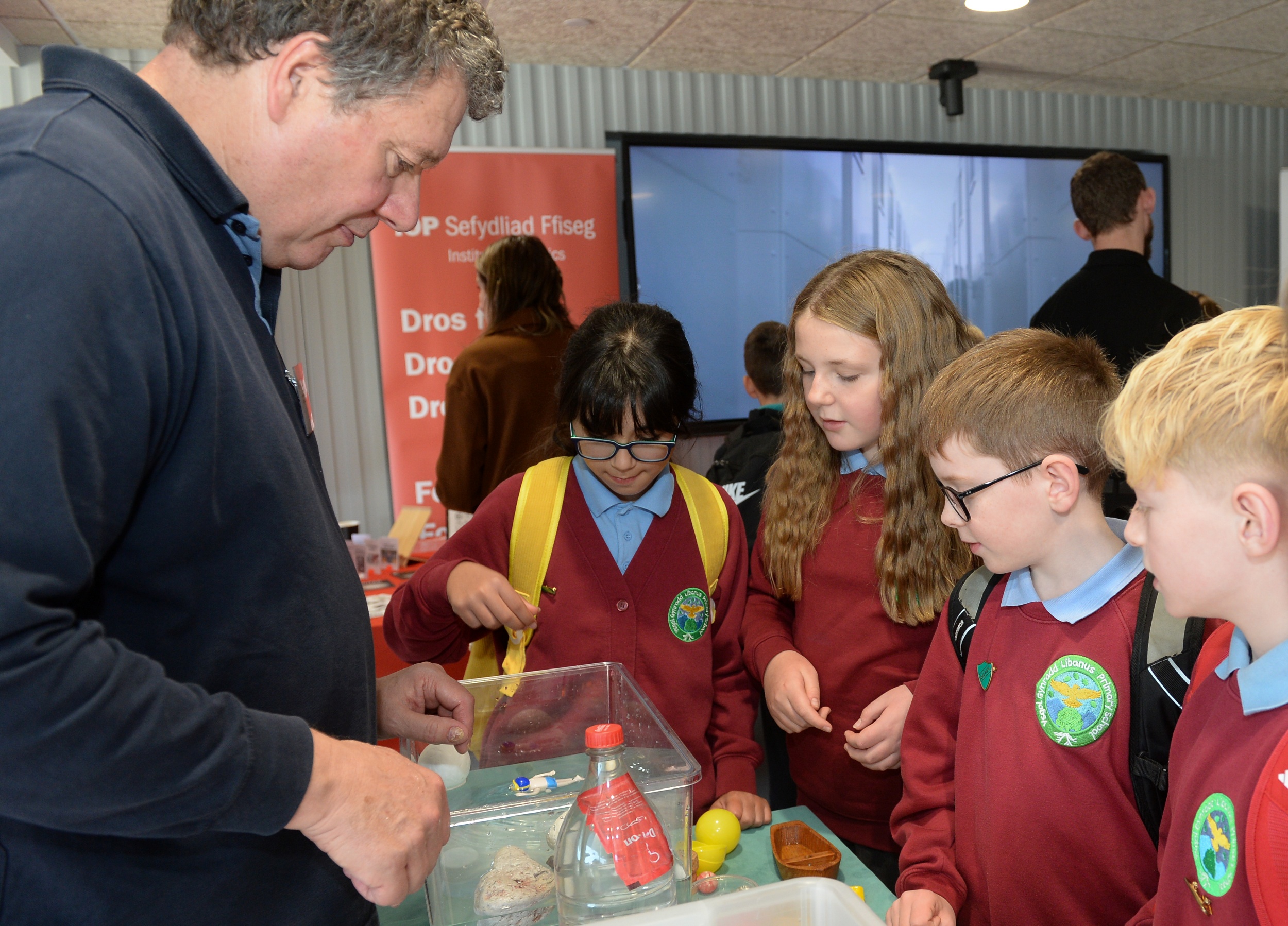
School students discover engineering through exhibitions at a This is Engineering: Schools – Welsh Valleys event in Cardiff.
Five years of impact in the West Midlands
- Following five successful years, the Lord Bhattacharyya Engineering Education Programme became This is Engineering: Schools – West Midlands.
- Over the programme’s lifetime, more than 50,000 learners took part in engineering projects and activities.
- Schools reported increased awareness of engineering careers, stronger STEM provision and improved teaching confidence.
- The programme helped schools establish new engineering and robotics clubs, build partnerships with local employers, and support progression into apprenticeships and higher education.
- Several schools also reported a significant increase in the number of girls choosing engineering and STEM subjects.
Engineering Leaders Scholarship celebrates 30 years
- The Engineering Leaders Scholarship (ELS) programme marked its 30th anniversary in 2025.
- Since its launch, the programme has supported more than 800 undergraduate engineers from universities across the UK, helping them develop leadership and professional skills alongside their studies.
- In 2025, three ELS alumni, John Armstrong FREng, Chetan Kotur FREng and Barbara Welch FREng, were elected as Academy Fellows for the first time.
MSc Motorsport Scholarship expands
- In early 2026, the MSc Motorsport Scholarship programme was relaunched in an expanded form with support from Mission 44, the foundation established by Sir Lewis Hamilton HonFREng.
- The programme supports students pursuing careers in motorsport engineering and helps widen access to opportunities in the sector.
- Scholarship recipients have also visited Silverstone, where they met Sir Lewis Hamilton and discussed careers in motorsport and the impact of the programme.
- Of the 13 people awarded scholarships during the two-year
pilot, five are now working in Formula 1 teams, two in the
motorsport sector, and one in engineering more broadly.
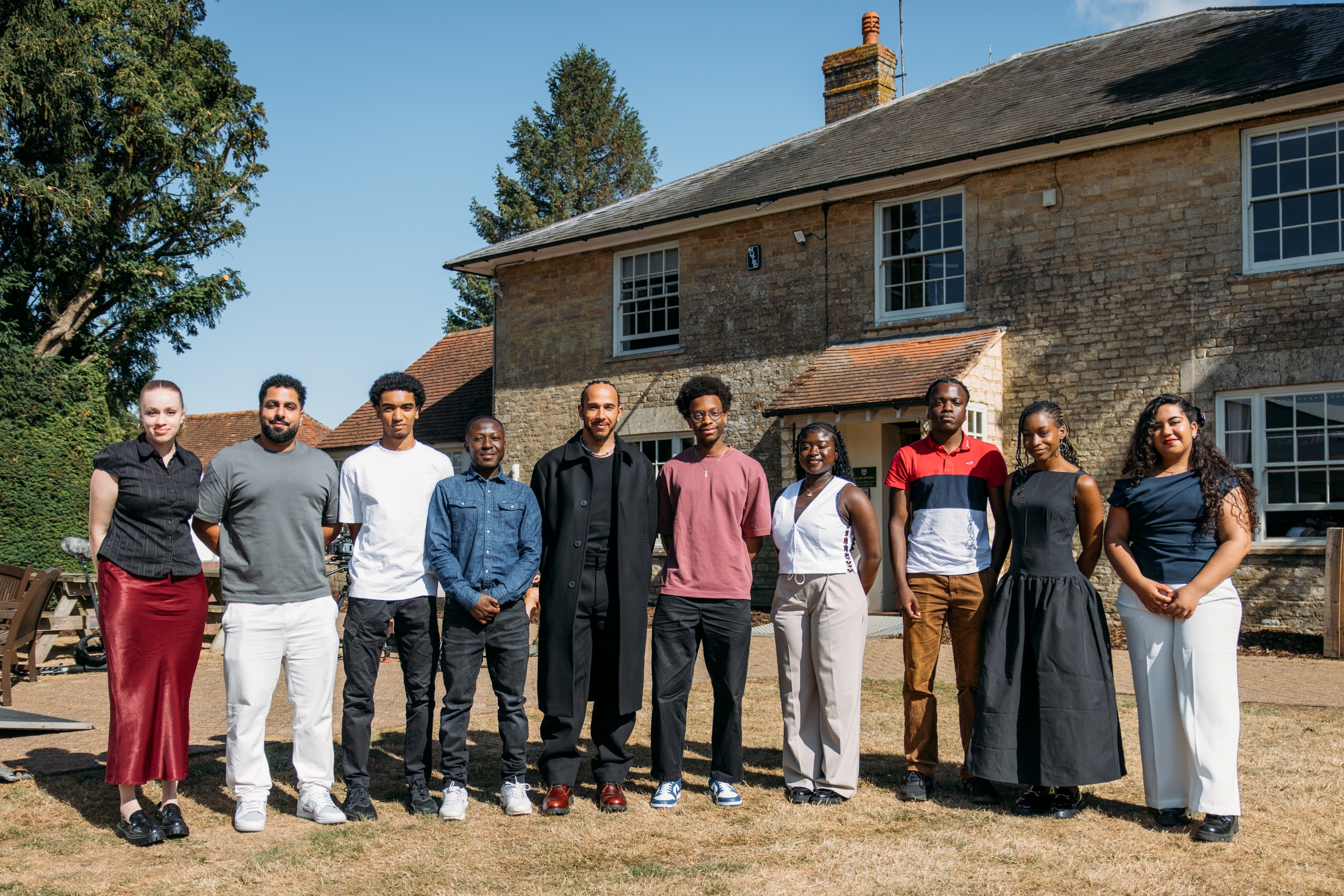
The second cohort of the MSc Motorsport Scholarship join Sir Lewis Hamilton HonFREng at Silverstone for the British Grand Prix weekend.
Graduate Engineering Engagement Programme marks 10 years
- The Graduate Engineering Engagement Programme (GEEP) celebrated its 10th anniversary in 2025, having supported more than 2,000 students from over 70 universities and worked with 300 volunteers from more than 50 companies.
- The programme has helped create more than 320 engineering employment opportunities, including internships, placements and graduate roles, while broadening participation in engineering. More than 90% of participants have come from Black, Asian and minority ethnic backgrounds, and 30% have been women.
- In 2024–25, 365 students took part in GEEP, with more than 77% completing the programme. Over 44% gained work experience or employment opportunities through internships, placements and graduate roles.
- The programme’s success was supported by 211 industry volunteers and 236 mentors, who contributed more than 2,200 hours of events and mentoring across the year.
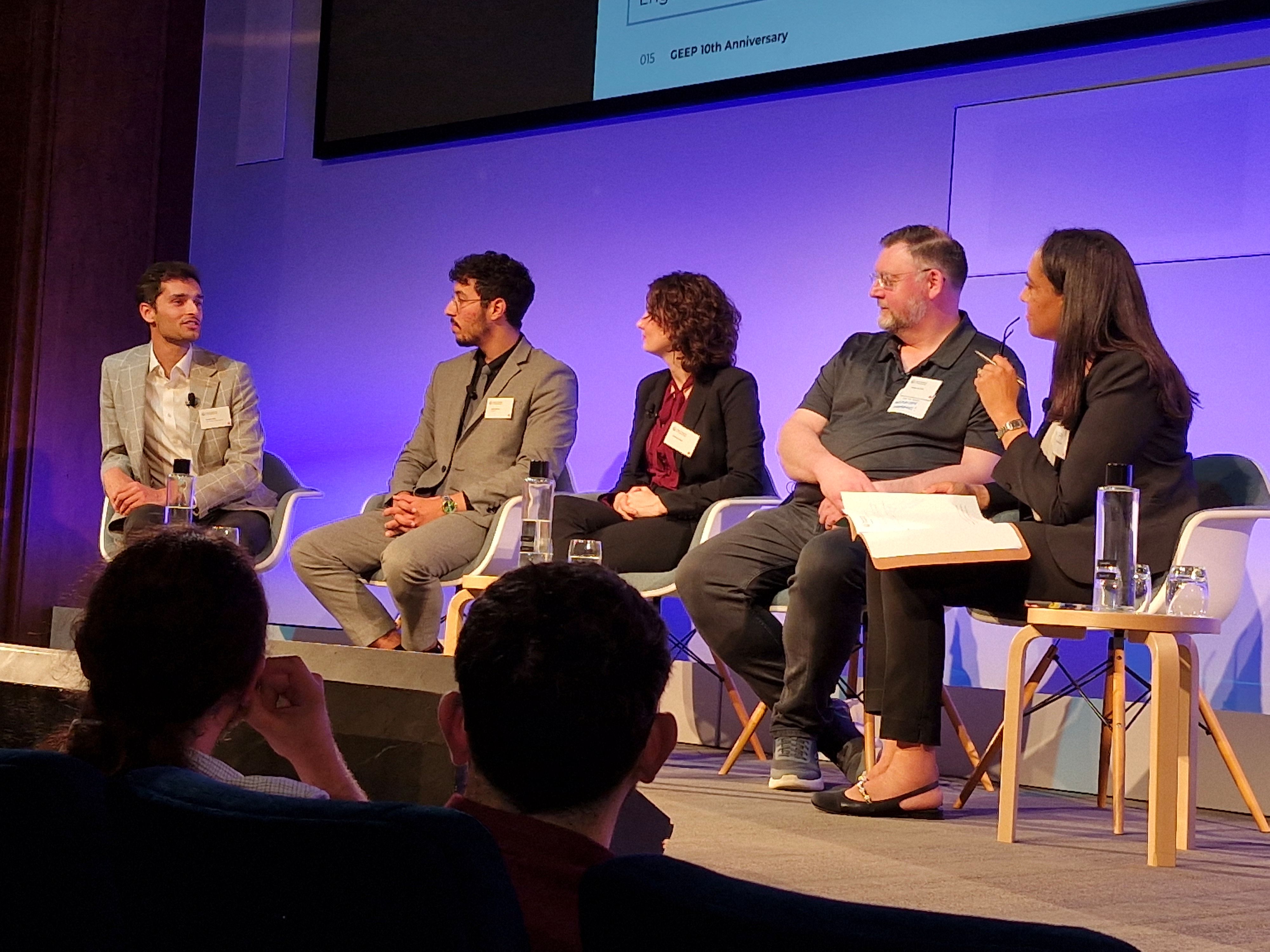
GEEP alumni and programme partners gathered to celebrate success of key Academy EDI programme.
Our 2025 Young Engineers of the Year
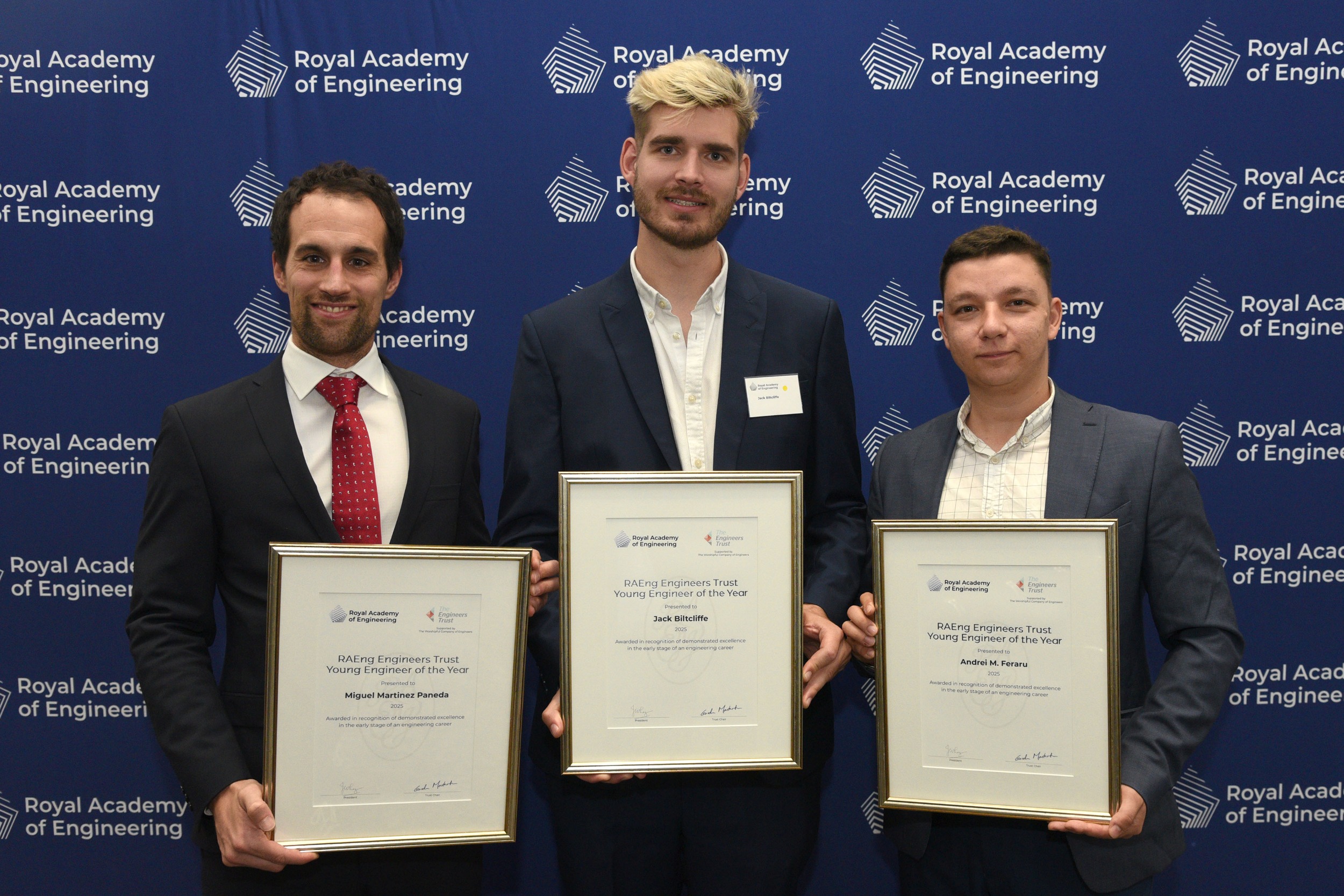
(Left to right) Miguel Martinez Paneda, Principal Structural Engineer, Arup; Jack Biltcliffe, R&D Lead, The Washing Machine Project; Andrei Feraru, Founder and CEO of Feraru Dynamics Ltd
Their pioneering work shows how engineering continues to have a positive impact on society and the environment. These exceptional individuals are not only solving real-world challenges but also inspiring the next generation to explore the vast possibilities of an engineering career.
Luke Logan FREng, Chair of the Academy’s Awards Committee
The Engineers Trust Young Engineer of the Year competition celebrates early-career engineers whose work is delivering real-world impact. The 2025 winners demonstrate the breadth of engineering innovation, tackling challenges in infrastructure, sustainability, health and energy through research, entrepreneurship and technological development.
Celebrating National Engineering Day 2025
National Engineering Day 2025 brought together engineers, policymakers, industry leaders and the public through a series of events across the UK.
- In Liverpool, our first Innovation Late event outside London welcomed more than 115 attendees, many of them non-engineers, to explore emerging technologies through hands-on experiences including brain scanning, energy-generating textiles and other interactive exhibits.
- A parliamentary reception at the House of Lords, hosted by Lord Mair FREng, marked the launch of the Engineers 2030 final report and the AI–Z of Engineering, highlighting current and future engineering careers.
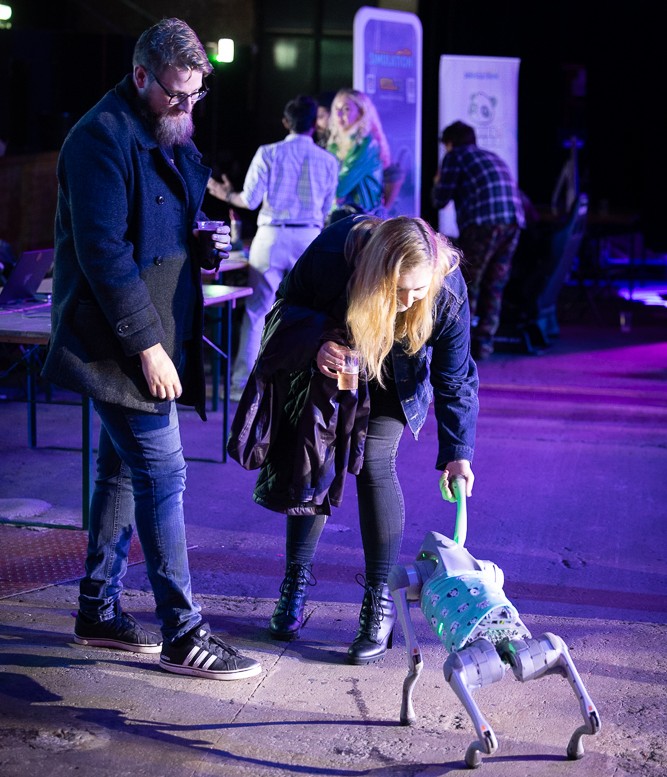
Innovation Late 2025 was the first edition of the event to be held in Liverpool.
- A joint Queen Elizabeth Prize for Engineering and Academy roundtable at 10 Downing Street brought together government ministers, QEPrize Laureates, Academy awardees and This is Engineering champions to discuss strengthening the UK's engineering future.
- The day concluded with His Majesty The King presenting the 2024 and 2025 QEPrize Laureates with their awards at St James's Palace.
- National media coverage included interviews on the Today programme, Sky News, and articles in the Daily Mirror, Daily Express, Daily Star and First News.
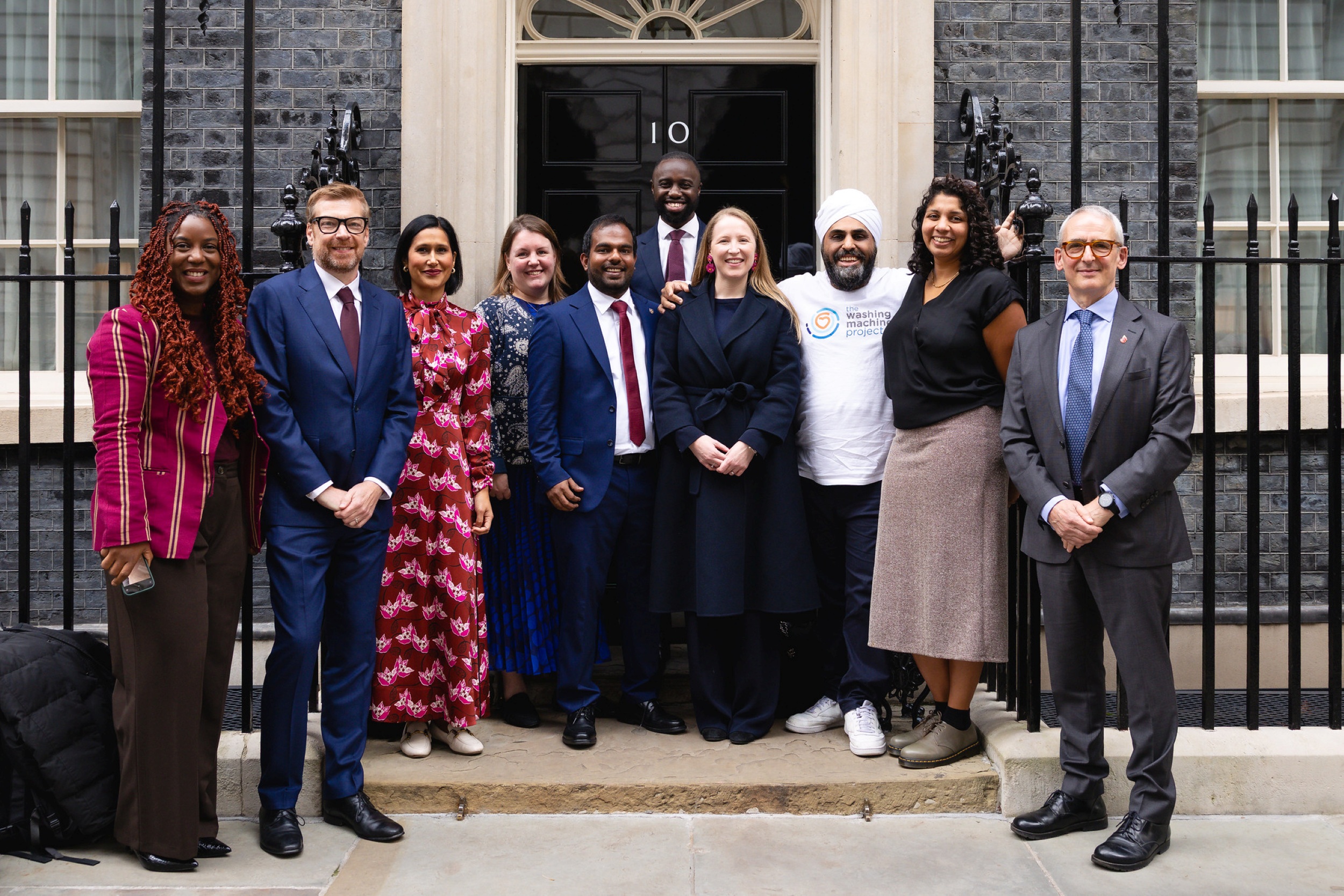
Attendees at the roundtable at 10 Downing Street held on National Engineering Day: (left to right): Yewande Akinola MBE HonFREng; Jonathan Narbett (Director, QEPrize); former Academy CEO, Dame Hayaatun Sillem DBE; Alice Kan; Dr Ishara Dharmasena; George Imafidon MBE; Susan McDonald; Dr Navjot Sawhney; Milly Hennayake; Academy President Sir John Lazar CBE FREng.
Engineers are critical to seizing the opportunity that’s ahead of us. I welcome this call to action from the Academy … Together with the government’s record support for R&D, and our investment in skills and training, we are backing this important sector so it delivers even greater success.
Liz Kendall MP, Secretary of State for Science and Technology
People and operations
Following the launch of our new five-year strategy – Engineering better lives – in April 2025, we are focusing on strengthening our capability, deepening insight, and enabling our community to increase the impact of our work.
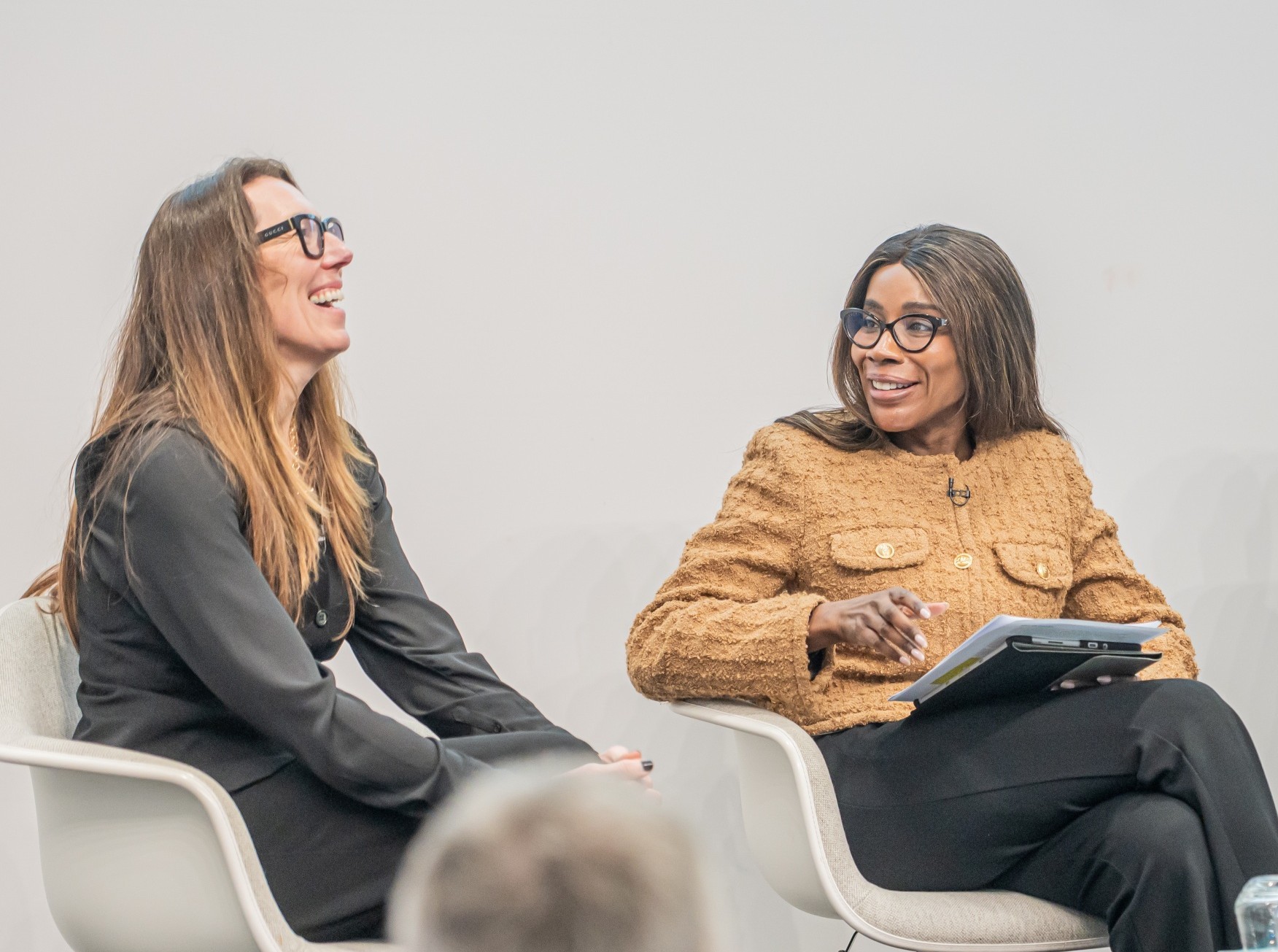
Professor Susan Gourvenec FREng (left) with Academy COO Cecilia Harvey (right) at our annual EDI conference.
Digital capability underpins all of the Academy’s work. During the year, we continued to embed a digital-first mindset and adopt a product-based approach to delivery, ensuring that solutions are standardised, modular and regularly reviewed for effectiveness. This approach is strengthening the foundations needed to deliver strategy 2030 at pace and at scale.
By using evidence to guide decisions and phasing delivery, we are ensuring that digital investment supports our strategic goals while remaining practical and sustainable.
Strengthening our governance
- Over the past year, the Academy completed an independent governance review, led by Professor Nilay Shah OBE FREng, to ensure its governance structures support effective leadership, accountability and delivery of Strategy 2030.
- The review examined how committees are structured and how they connect with the Trustee Board, the effectiveness and composition of the Board itself, how Fellows and other stakeholders are involved in governance, and whether current arrangements support the Academy’s long-term strategy.
- At the heart of the proposals made following the review is a clearer and more streamlined committee structure. Two governance committees will oversee finance and operations, and people and culture, ensuring these areas receive consistent and focused Board attention.
- Operating committees will be more tightly aligned to the Academy’s products, including programmes, policy, enterprise, and skills. A significant recommendation is to elevate accountability for two strategically important and cross-cutting areas of our work – EDI and international – through the appointment of Trustees leading on these areas. These Trustees will chair steering groups of EDI and international leads from each of the operating committees.
- During the year, we also secured £3.5 million in new funding commitments from industry, charitable trusts and individual donors to support our programmes.
- Our Fellowship represents an unrivalled community of leading businesspeople, entrepreneurs, innovators, and academics from every part of engineering and technology.
- Over the past year, Fellows have volunteered an estimated 25,000 hours to support the Academy in driving public benefit from engineering excellence and technology innovation.
- This has included attendance at events and meeting other Fellows, awardees and Academy staff in our regional Hub areas, such as the President’s North East visit to Pragmatic Semiconductor in Durham and SMD expand in Newcastle.
- Vice President for Fellowship Engagement, Professor Nick Jennings CB FREng FRS hosted an afternoon at Loughborough University for Midlands Fellows, featuring a networking lunch and tours of the Sports Technology Institute and Aftrak.
- We also hosted a two-day summit in Belfast and Dublin that brought together international experts, spinout founders, universities and research institutes ahead of the Spotlight on Spinouts: Ireland report.
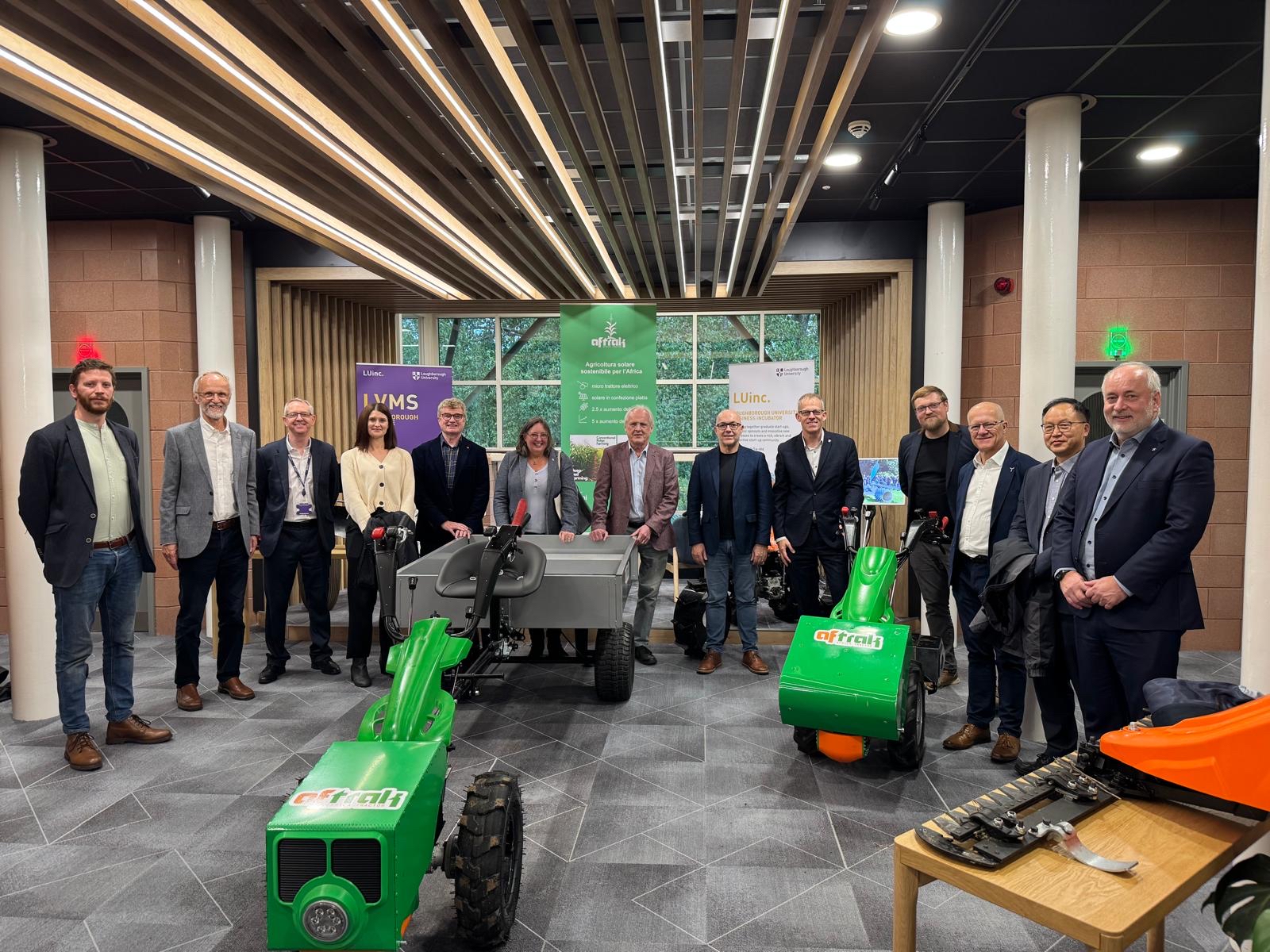
Fellows, Academy staff and members of the Aftrak team at Loughborough University.
Our Fellowship Fit for the Future initiative continues to make an impact, with overall numbers of Fellows elected from underrepresented groups across the campaign exceeding its aim of 50%.
In 2025, we again asked professional engineering institutions and scientific bodies to assess their progression against EDI using the Progression Framework tool developed by the Academy and the Science Council.
- Since 2017, the Progression Framework has enabled these organisations to assess their EDI practices in relation to 10 areas of organisational activity. For the 2025 exercise, 45 organisations participated in a self-assessment.
- Inclusioneering, the consultancy that carried out the analysis on behalf of the Academy and Science Council, analysed the evidence and produced overall reports for engineering and science, as well as a tailored benchmarking report with recommendations for each participating organisation.
- The Academy reported an overall self-assessment score of 3.4 out of 4. Compared with the 2021 self-assessment, we have identified improvement in several areas including sector leadership, EDI embedded in the strategy, inclusive events and communications, and robust data collection and reporting – while noting that progress on EDI is not always linear.
- Our scoring this time applied a more critical lens to our EDI practice, recognising where further work is needed – and our focus now is consistency and clearer measurement to sustain progress and broaden positive impact.
Future Plans
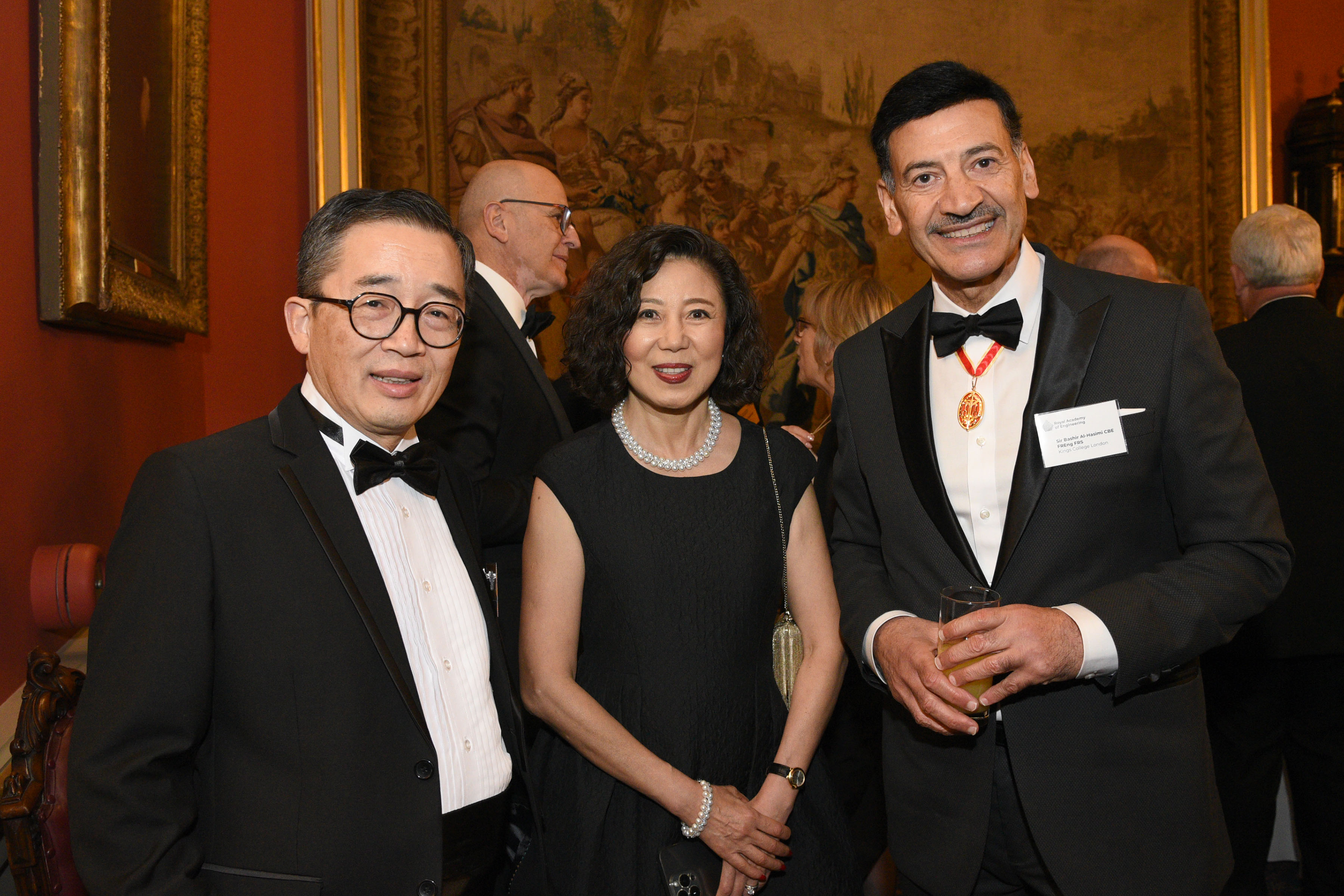
Attendees at the New Fellows celebration at Draper’s Hall in London.
The past year, 2025-26, was the first in our five-year strategy period to 2030, in which we are focused on creating and leading a community of outstanding experts and innovators to engineer better lives, with three goals: a sustainable and innovative economy, technology improving lives, and an engineering community fit for the future. We will take a product and place-based approach to delivering against these goals, and in keeping with our values, much of our work will be delivered collaboratively with key partners across the UK and around the world.
Details on the activities that we will be undertaking in 2026/2027 to fulfill our goals are outlined in the report, pages 46 and 47.