
On 11 June 2026, over 100 Fellows of the Academy, including its past Presidents and some of the most illustrious names in British engineering, gathered at St James’s Palace in London, in the presence of its Royal Fellow HRH The Princess Royal, to mark five decades since the Academy’s first meeting on 11 June 1976.
Her Royal Highness also met young engineers who have benefitted from awards, mentoring and career development support from the Academy, including Lily Owuye, a Graduate Performance and Simulation Engineer at Red Bull Advance Technologies; David MacDonald, a Strategic Analyst at the National Energy System Operator; and Kitty Chia-Chi Liao, founder of IDEABATIC, a system for transporting temperature-sensitive medicines.
The inaugural meeting of the Fellowship in 1976 was hosted at Buckingham Palace by its Founding Senior Fellow, the Prince Philip, The Duke of Edinburgh, who had personally championed the formation of the Fellowship. In one of his last interviews about the Academy’s work, for Radio 4’s Today programme in 2015, Prince Philip said: “Everything that wasn’t invented by God was invented by an engineer.”
Along with HRH The Duke of Kent, HRH The Princess Royal has been a Royal Fellow of the Academy since 2010 and has done much to support more women to take up engineering as a career. When asked in an interview with Vanity Fair magazine what alternative career she might have considered, Her Royal Highness said she would have been an engineer.
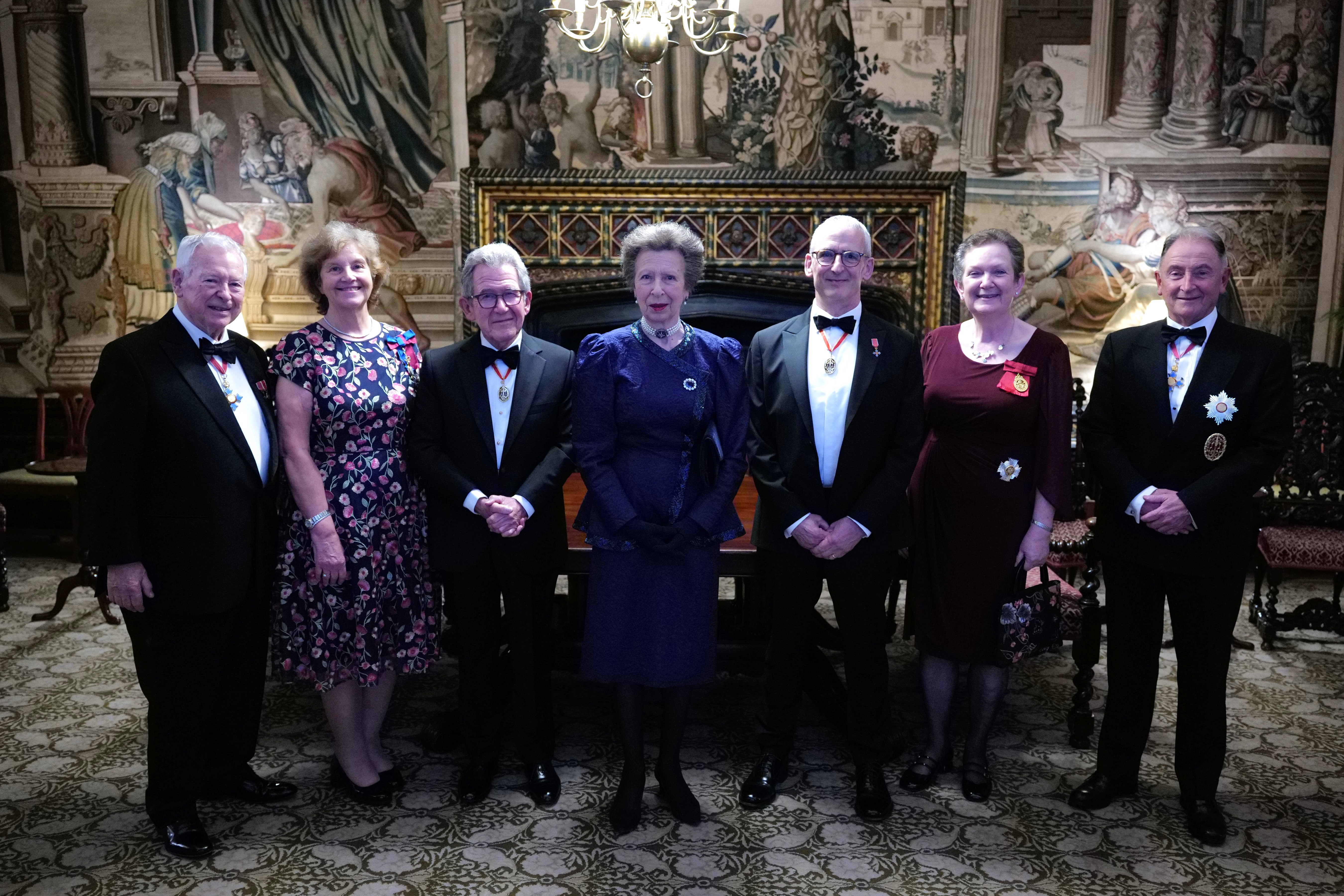
On the 50th anniversary of the Royal Academy of Engineering on 11 June 2026, its Presidents meet the Academy’s Royal Fellow, HRH The Princess Royal at St James’s Palace. L-R Sir John Parker GBE FREng (President 2011-2014), Dame Ann Dowling OM DBE FREng FRS (President 2014-2019), Lord Browne of Madingley FREng FRS (President 2006-2011), HRH The Princess Royal, Sir John Lazar CBE FREng (current President), Dame Tamara Finkelstein DCB, and Sir Jim McDonald KT GBE FREng FRSE (President 2019-2024). CREDIT LAYTON THOMPSON
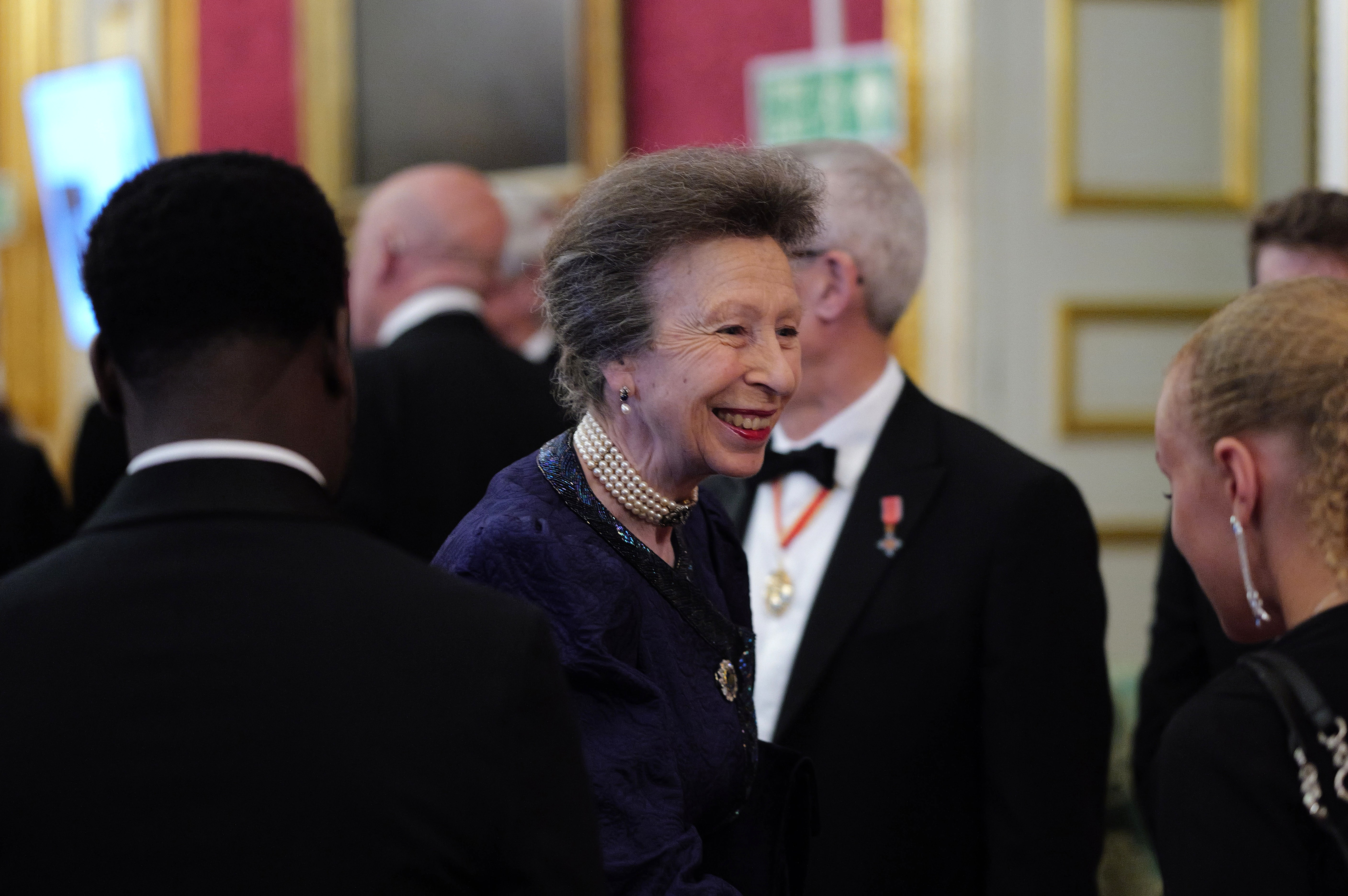
HRH The Princess Royal
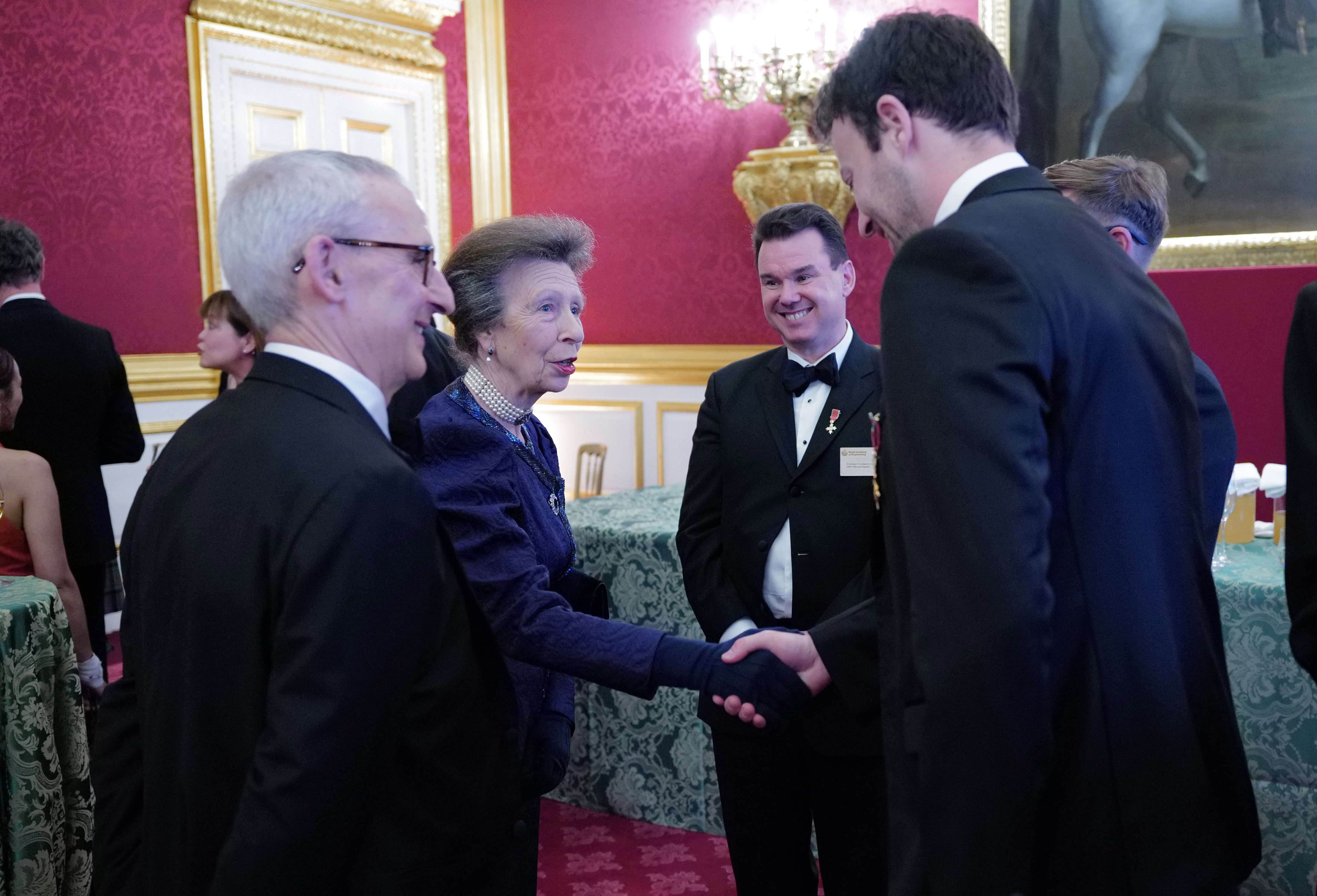
Royal Academy of Engineering team
50 years of impact
The inaugural meeting of the Fellowship in 1976 was hosted at Buckingham Palace by its Founding Senior Fellow, the late HRH The Prince Philip, Duke of Edinburgh, who had personally championed the formation of the Fellowship. In one of his last interviews about the Academy’s work, for Radio 4’s Today programme in 2015, Prince Philip said: “Everything that wasn’t invented by God was invented by an engineer.”
Conceived during the excitement of the Apollo programme and the buzz of then Prime Minister Harold Wilson’s ‘white heat of technology’, the Academy’s birth in 1976 coincided with a time of major technological developments, including Concorde’s first commercial flight and the launch of the Apple 1 computer.
The new Fellowship enrolled 130 of the UK’s finest engineers of the day – people who over the course of their careers had changed the world. Engineers like the jet engine visionary Sir Frank Whittle, design guru Sir Ove Arup, radar pioneer Sir George MacFarlane, bouncing bomb inventor Sir Barnes Wallis, and Sir Maurice Wilkes, father of the UK computer industry.
Since then, it has continued to champion excellence across all fields of engineering and honoured the UK’s most distinguished engineers along with those making an impact around the world. Today, the Academy has over 1,700 Fellows working together, and with partners, from every area of engineering and technology, from AI and medical engineering to structural design and marine architecture. Fellows include Google DeepMind founder Sir Demis Hassabis FREng FRS, National Grid President of Transmission Alice Delahunty FREng, Brompton Bicycle CEO Will Butler-Adams and top nuclear engineer Dame Sue Ion GBE FREng FRS.
As our Royal Fellow, HRH The Princess Royal, says in her anniversary message to the Academy: "Prestige must be earned and the Fellows and awardees of the Academy deserve great respect for their achievements to date, from shaping how the next generation of engineers are educated to building vital links with international counterparts… No profession is better placed to shape the world of tomorrow. I congratulate the Academy on its first half-century and wish you well in your mission to engineer better lives."
Over the last 50 years the Academy has:
- Backed exceptional researchers and entrepreneurs whose innovations change lives and the world around us, from collapsible neonatal incubators and vaccine storage to biodegradable alternatives to plastic and net zero energy from spent fuel
- Funded Chairs in Emerging Technologies who have raised £140 million in additional funding, created 14 spinout companies, and fostered 205 UK and 165 international collaborations.
- Created the UK’s leading startup hub, with seven locations across the UK, and supported more than 2,300 entrepreneurs in the UK and around the world, who have raised over £3.6 billion in follow on funding.
- Published 128 policy reports, providing expert advice to government and founded the National Engineering Policy Centre, which coordinates advice from 42 engineering organisations. Our advice has shaped public messaging on COVID 19, provided a framework for decarbonising the energy system, and shaped the National Security Risk Assessment methodology.
- Inspired at least 1.6 million young people to consider a career in engineering and supported over 1,800 people in their engineering journey through scholarships.
- Founded the Africa Prize for Engineering Innovation, Africa’s biggest prize of its kind, supporting African innovators developing scalable engineering solutions to local challenges.
- Created the Queen Elizabeth Prize for Engineering, the world’s leading award for engineers and engineering, promoting bold, groundbreaking engineering innovation of global benefit to humanity.
Sir John Lazar CBE FREng, President of the Royal Academy of Engineering, says:
“Over the past five decades, the Academy has brought together the people and ideas that shape our world – creating and leading a community of outstanding experts and innovators to engineer better lives. Through our Fellowship, our programmes, and our partnerships, we have advanced innovation, informed policy, and supported generations of engineers to tackle some of the world’s most pressing challenges.
“The scale and complexity of the issues we face today - from climate change and public health to exponential technological transformation that affects every person – demand thoughtful, assertive, systems-led responses. Engineers are uniquely placed to provide them, but doing so requires long-term commitment and staying power, collaboration, and the confidence to invest in new ideas.”
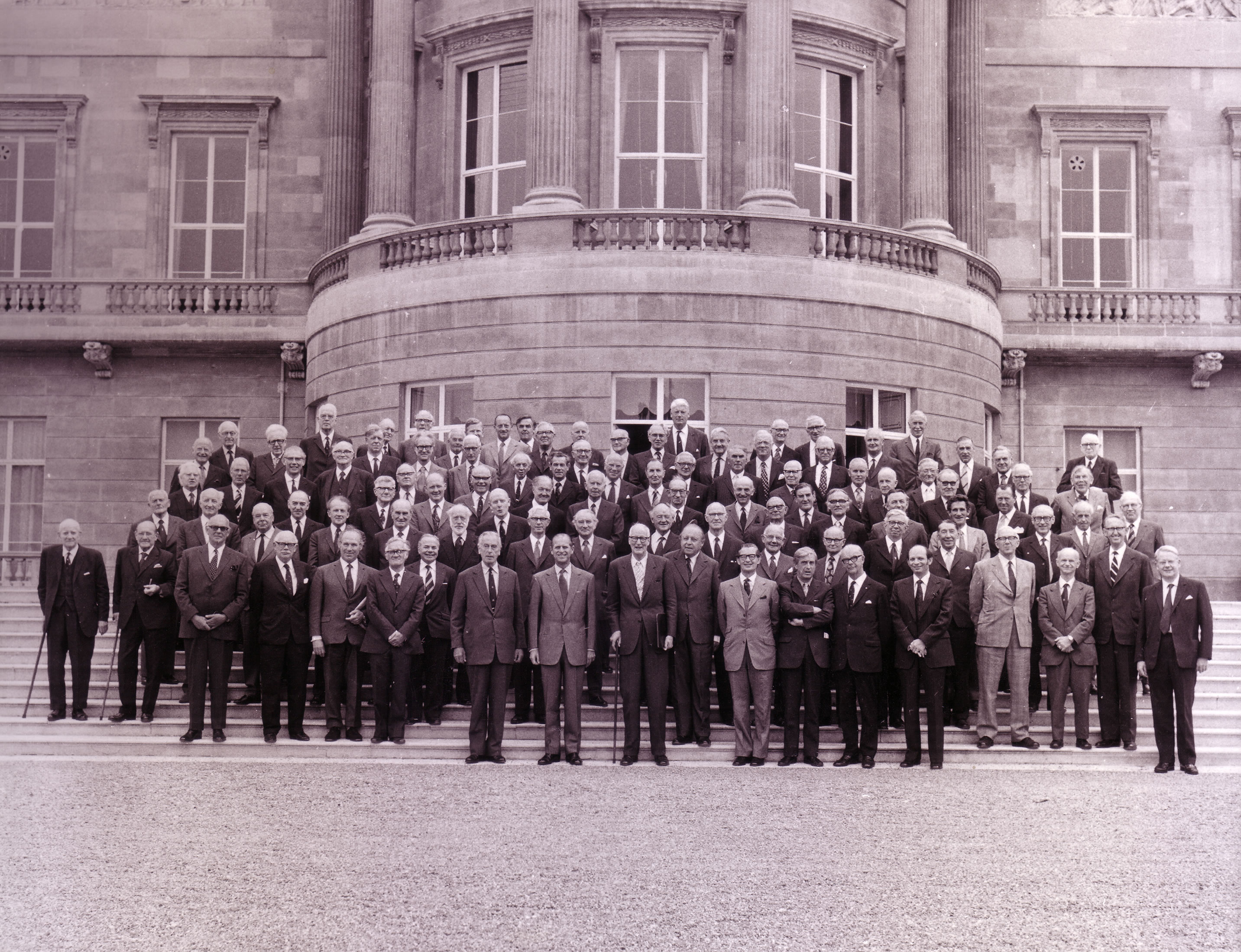
Inaugural meeting of the Fellowship of Engineering held at Buckingham Palace on 11 June 1976
Academy CEO Dame Tamara Finkelstein DCB says:
Our era is defined by profound challenges, from AI disruption and national security threats to climate change and technological inequality. These are systems challenges: interconnected, multi-faceted and resistant to narrow solutions. Engineers excel in solving systems challenges.
“The Academy is a community committed to helping the UK make the most of the opportunities of an innovation economy to drive up growth, create jobs and raise living standards in all parts of the UK, by backing talented researchers and entrepreneurs, informing policy, and creating a workforce fit for the future.”
Notes for editors
1. On 10 June, Science Minister Lord Vallance hosted a reception at Prince Philip House, home of the Academy, during London Tech Week. The event highlights one year since the publication of the government’s modern industrial strategy and marks the contribution of engineering enterprise to the UK economy. The UK is the world’s third largest deep tech hub, raising $43.7 billion since 2019, and the Academy’s Enterprise Hub actively supports over 600 growing companies, which have created over 6,100 jobs across the UK in the last decade.
On 1 July, the Academy will open the first of a regional series of photo exhibitions in Edinburgh, featuring a series of specially commissioned images of 50 of its Fellows by photographer Jude Vidal. They depict the people behind major engineering achievements over the last five decades, from the Channel Tunnel and the London 2012 Olympic Stadium to pioneering medical advances and the Raspberry Pi.
On 8 July, the Academy Awards in London will celebrate the best of British engineering, including the presentation of the Engineering Better Lives award, a unique anniversary medal marking an innovation with exceptional impact on people’s lives. The winner of the MacRobert Award will also be announced – with a £50,000 prize this is the longest running and most prestigious prize for UK engineering innovation.
2. The Royal Academy of Engineering creates and leads a community of outstanding experts and innovators to engineer better lives. As a charity and a Fellowship, we deliver public benefit from excellence in engineering and technology and convene leading businesspeople, entrepreneurs, innovators and academics across engineering and technology. As a National Academy, we provide leadership for engineering and technology, and independent, expert advice to policymakers in the UK and beyond.
Our work is enabled by funding from the Department for Science, Innovation and Technology, corporate and university partners, charitable trusts and foundations, and individual donors.