
Seed funding awardees
Following the ‘The Nexus in action: navigating the Water‑Energy‑Food‑Environment nexus for climate‑resilient and inclusive futures’ Frontiers symposium, seed funding was awarded to eight teams of symposium delegates working across disciplines and borders to deliver practical and context‑sensitive solutions.
The symposium showed that solutions to water, energy, food, and environmental challenges are most effective when co‑created with local communities, grounded in real needs, and informed by evidence and inclusive, accountable data sharing. Across the awarded projects, teams combined technical innovation with participatory approaches – from digital tools to youth‑led mapping – ensuring local perspectives informed decision‑making and strengthened capacity.
Together, the projects reflect the symposium’s focus on joined‑up systems and demonstrate how solutions can generate impacts across water, energy, food, and the environment.
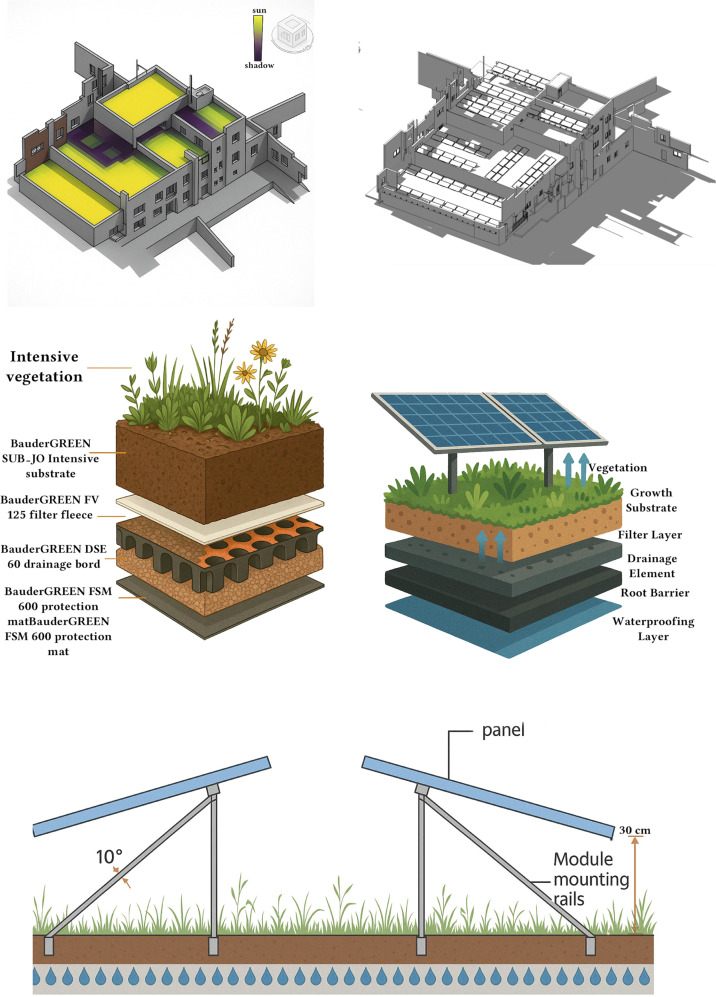
Point cloud and revit model
Leveraging digital twins for community-driven sustainable WEFE nexus management (Jordan)
- Dr Ali Shehadeh, Yarmouk University, Jordan (lead applicant)
- Dr Izni Zahidi, Monash University Malaysia
- Dr Victoria Cotella, University of Bradford, UK
- Dr Yaser Mohammed Rageh Gamil, Monash University Malaysia
- Tom De Block, Alliance for IoT and Edge Computing Innovation, Belgium
This project addressed urgent urban planning and sustainability challenges in Irbid, Jordan, where environmental pressures and resource scarcity are growing. Recognising the interdependence of water, energy, food, and ecosystems, a Jordan–UK team developed a digital twin prototype that integrates geospatial data, remote sensing, and community insights.
The tool enables simulations of infrastructure stress and WEFE Nexus interactions under changing climate and urban conditions. Developed through participatory methods – including GIS mapping, stakeholder interviews and local workshops – it is grounded in lived experience as well as technical evidence. Beyond the funded phase, the project has continued to inform discussions on sustainable urban planning, digital innovation and inclusive resilience. It demonstrates the lasting value of combining digital tools with community engagement in vulnerable urban contexts.
More information on the project:
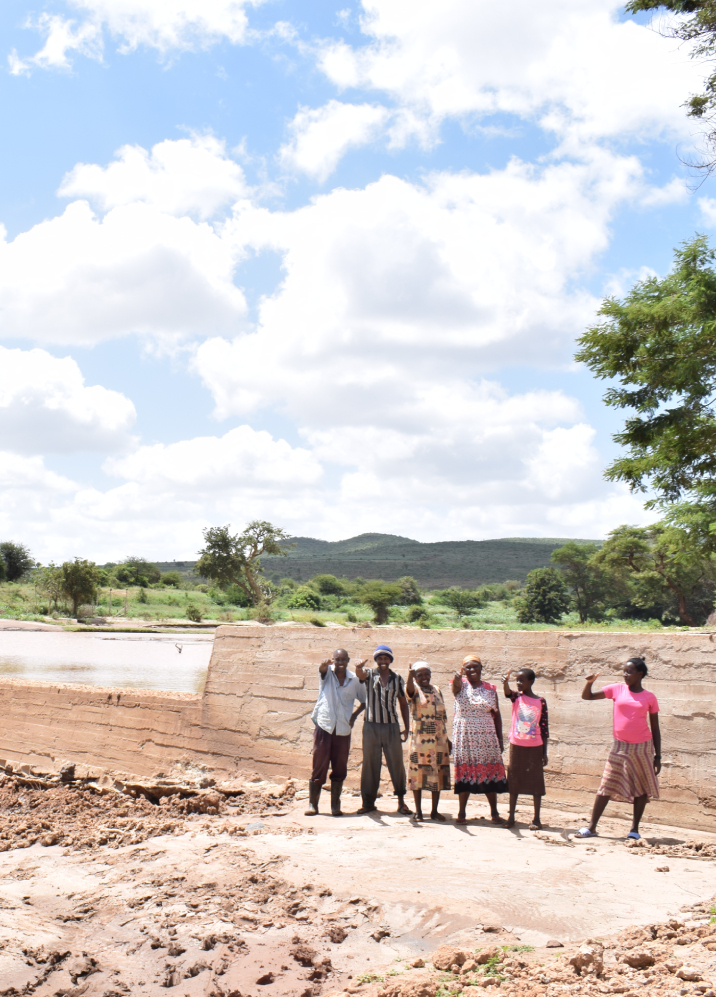
Sand dam
Data assessment methodology of Kenya WASH programme, analysing WEFE impacts
- Alice Murphy, Just a Drop, UK (lead applicant)
- Fiona Jeffery, Just a Drop, UK
- Maria Niebla del Campo, University of Oxford, UK
- Dr Hadeel Hosney, IHE Delft Institute for Water Education, Netherlands
- Dr Ha Phan, Newcastle University, UK
- Laurence Peinturier, University of Oxford, UK
- Melissa Campbell, Just a Drop, UK
- Bella Mytton-Mills, Just a Drop, UK
Communities in drought‑affected Southeast Kenya face growing challenges in accessing clean water and maintaining food security. Women and girls are often most affected, walking 6-12 hours each day to collect water. To address this, an interdisciplinary team developed a new approach to evaluating Water, Sanitation, and Hygiene (WASH) interventions by examining the wider impacts of sand dams and community training through a WEFE lens.
The project created a localised assessment model to quantify the health, environmental, social and economic returns of WASH investments, using real‑world data from Just a Drop’s sand dam projects. Designed for use beyond the project context, the model features editable assumptions and clear outputs, making it accessible to non‑technical users while retaining the rigour needed to support institutional decision‑making.
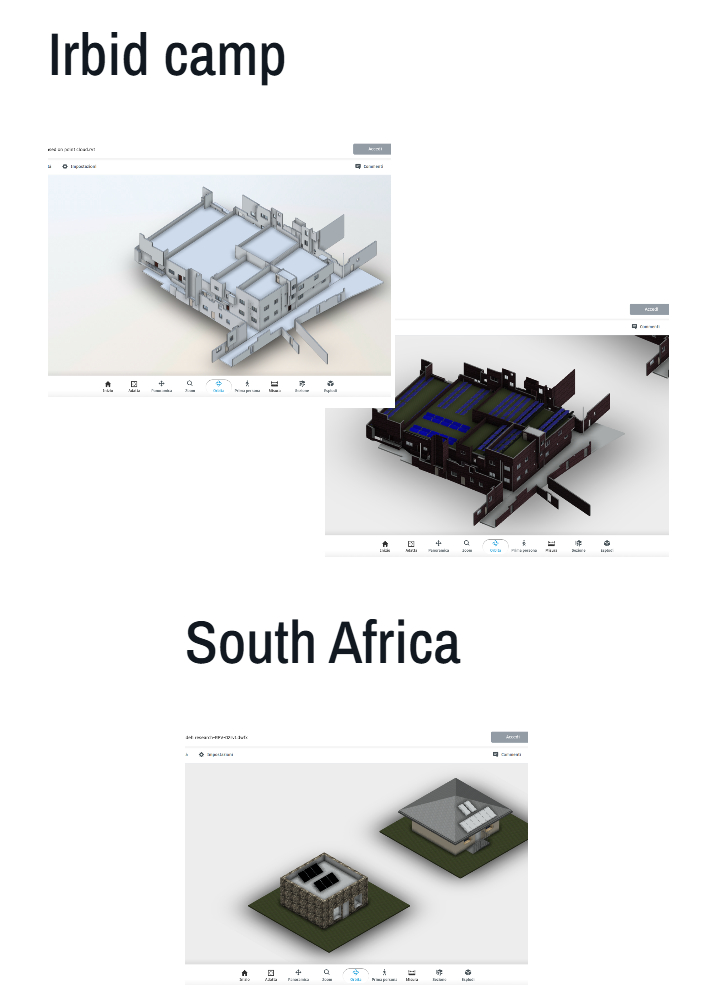
Architectural designs
Golden thread to sustainability, inclusivity, affordability and futureproofing in the Global South through innovative advancements in net-positive housing (Jordan)
- Professor Iqbal Mujtaba, University of Bradford, UK (lead applicant)
- Dr Ali Shehadeh, Yarmouk University, Jordan
- Dr Victoria Andrea Cotella, University of Bradford, UK
- Dr Rania Aburamadan, Applied Sciences Private University, Jordan
- Dr Alireza Moghayedi, University of the West of England, UK
- Professor Ciprian Daniel Neagu, University of Bradford, UK
This project explored affordable, innovative and net‑positive housing solutions to address pressing housing challenges across the Global South. A multidisciplinary team developed a framework that combines modern construction methods, circular economy principles and decentralised WEFE systems. Applying the comprehensive framework, the team designed housing tailored to local climates and living conditions in South Africa and Jordan. And shared the designs on an open‑source platform, encouraging communities and practitioners to explore the models, share feedback and encourage wider adoption.
The project was built on strong interdisciplinary collaboration, bringing together architects, engineers, environmental scientists and social researchers to design housing solutions that go beyond sustainability, generating more environmental and socio-economic value than they consume.
More information on the project:
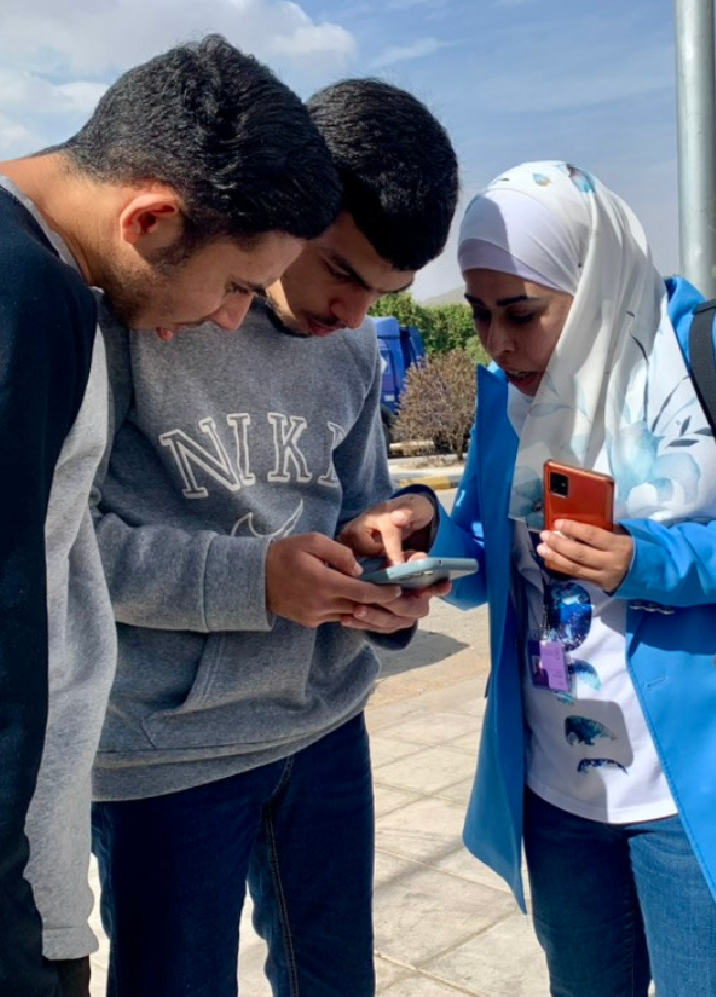
Mapping session
Community mapping of the WEFE nexus within refugee camps in Jordan
- Professor Iqbal Mujtaba, University of Bradford, UK (lead applicant)
- Dr Rana Ardah, Royal Scientific Society, Jordan
- Professor Iain Stewart, Royal Scientific Society, Jordan
- Dr Victoria Andrea Cotella, University of Bradford, UK
- Professor Daniel Neagu, University of Bradford, UK
- Dr Rania Aburamadan, Applied Sciences Private University, Jordan
The CoMAP project explored the application of community‑led digital mapping to address WEFE nexus challenges in refugee settings, particularly in Baqa’a Camp in Jordan. The project enabled local residents – particularly young people – to actively map and interpret WEFE‑related issues using accessible digital tools. The project also promoted intergenerational dialogue, equipping young people with skills to document the lived experiences and infrastructure concerns of older community members, bridging generational gaps and reinforcing community agency in data-driven decision-making.
A strong collaborative framework between the University of Bradford, the Royal Scientific Society and Applied Science University has been key to the project’s success, blending technical innovation, academic insight, and community engagement to create a replicable model for participatory digital mapping.
More information on the project:
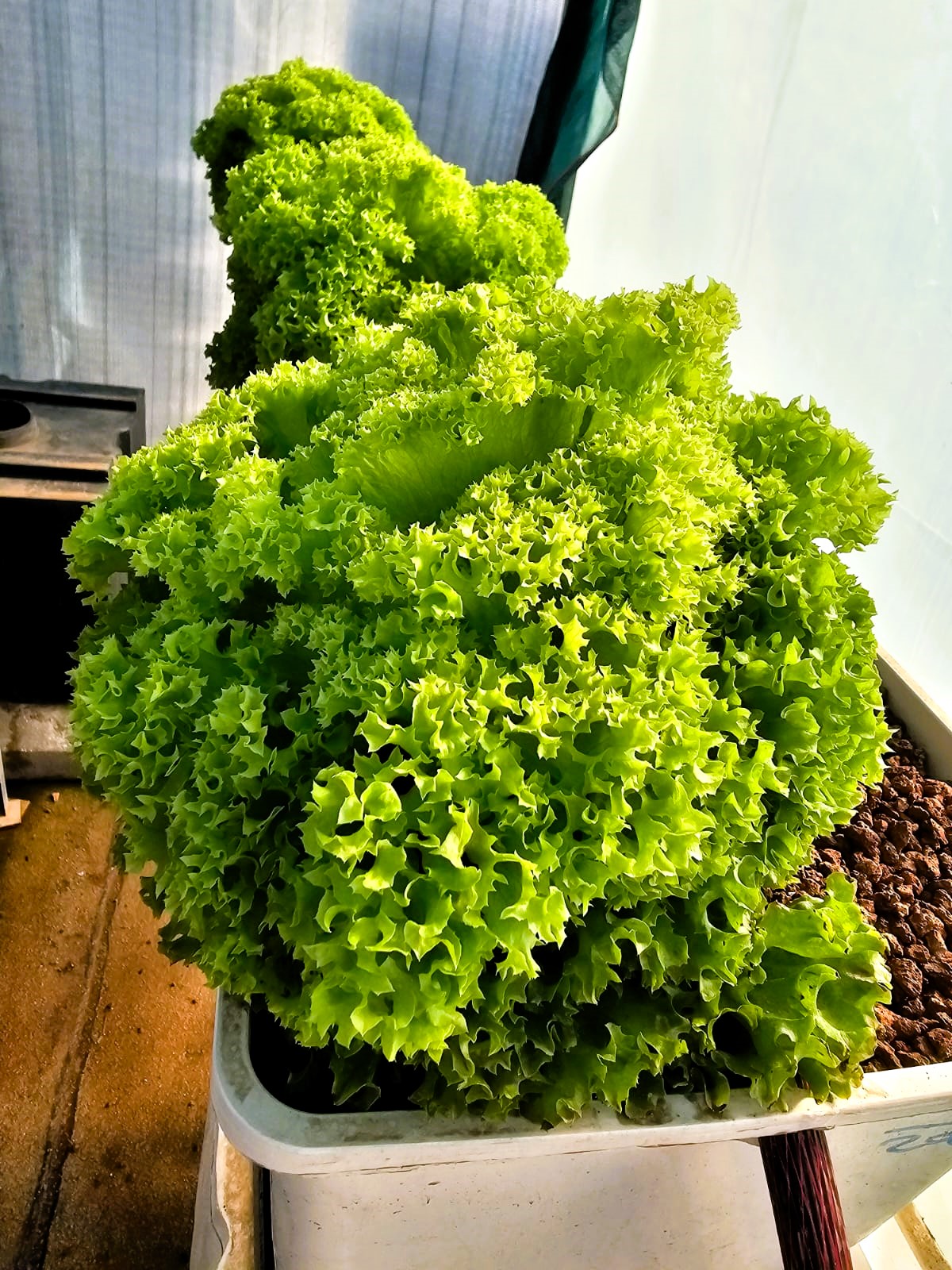
Cultivating lettuce in hydroponics
Green nexus: piloting circular food and energy systems in Jordan
- Dr Davide Poggio, University of Sheffield, UK
- Husameddin Alhaj Ali, Royal Scientific Society, Jordan
- Mohammad Mashatleh, Royal Scientific Society, Jordan
This project piloted an integrated anaerobic digestion and hydroponics approach in Jordan to convert local food waste into renewable energy and nutrient‑rich inputs for soilless crop production. Delivered in collaboration between the University of Sheffield and the Royal Scientific Society, the project combined system design, process modelling and hands‑on implementation. A pilot anaerobic digestion–hydroponics demonstrator was installed and operated at the Royal Scientific Society, in collaboration with Jordan companies iPlant and Safe&Clean. The project demonstrated proof-of-concept that diluted food-waste digestate can be used to cultivate lettuce in hydroponics with no clear yield penalty versus a commercial mineral nutrient control under the tested conditions.
Alongside the technical work, the project engaged small and medium‑sized enterprises and public sector stakeholders to explore pathways for wider uptake across Jordan. Building on these outcomes, the team has secured follow‑on funding to extend the concept and network that Green Nexus seeded.
More information on the project:
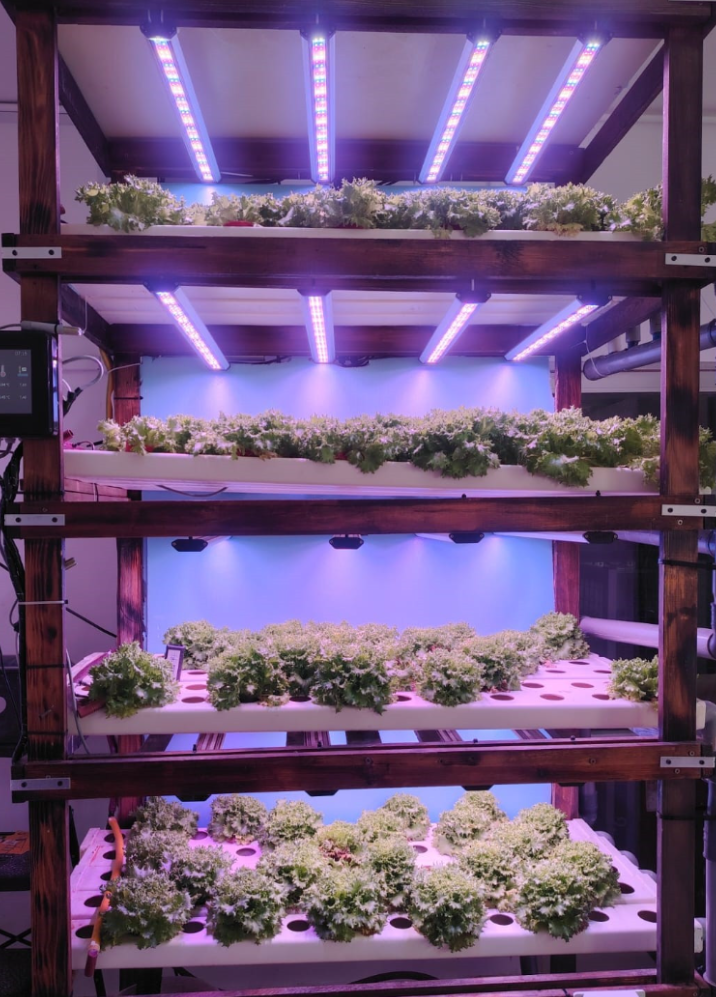
CEA farm
Optimisation of controlled environment agriculture for enhanced WEFE nexus performance (Jordan)
- Husam HajAli, Royal Scientific Society, Jordan (lead applicant)
- Dr Asiya Khan, Plymouth University, UK
- Dr Nagham Saeed, University of West London, UK
Jordan’s water scarcity poses growing risks to the agricultural sector, with potential adverse impacts on national food security. In response to this challenge, the project team established a controlled environment agriculture unit powered by photovoltaic panels and integrated with a hydroponic system. The CEA unit was implemented in Jordan by the Royal Scientific Society team, with full technical support from partners at the University of Plymouth and the University of West London. Online monitoring cameras were used to collect and transmit images to the UK team, who conducted crop analysis using AI modelling and machine learning tools.
The results show that photovoltaic energy can reliably support controlled environment agriculture in Jordan, delivering comparable crop quality and yields while improving resource efficiency.
More information on the project:

Solar panel
Piezoelectric & low-cost nano coating onto solar panels to sustain efficiency (Jordan)
- Maher Maymoun, Solar PiezoClean LLC, Jordan (lead applicant)
- Professor Satheesh Krishnamurthy, University of Surrey, UK
- Thaer Gammoh, Solar PiezoClean LLC, Jordan
In dust‑prone regions, the build‑up on solar panels can significantly reduce energy output, and traditional water‑based cleaning methods increase pressure on scarce water resources. This project explored an innovative, water‑free, energy‑efficient cleaning approach using piezoelectric films and nanocoatings. Testing showed that piezoelectric films can remove up to 90% of non‑adhesive dust within 60 seconds. To improve performance against fine or moisture‑affected dust, a nanocoating was added that repels water and converts sunlight into heat, helping to prevent fogging and freezing.
The next phase will combine vibrational cleaning with nanocoating technology into a fully self‑cleaning system that saves water and maximises solar energy generation, with potential applications beyond solar panels, including autonomous vehicles and security systems.
More information on the project:
Navigating conflict: a comprehensive analysis of water security and food security in Yemen

Report cover
Navigating conflict: a comprehensive analysis of water security and food security in Yemen
- Dr Majd Al Naber, Royal Scientific Society of Jordan
- Professor Satheesh Krishnamurthy, University of Surrey, UK
- Hesham Ahmad, Ministry of Water and Environment, Yemen
- Salsabeal Abo-Thrais, Royal Scientific Society of Jordan
The project investigated the profound impact of Yemen's ongoing conflict on water and food security, with a focus on availability, accessibility, affordability, and quality. Conducted by an interdisciplinary team from the UK, Jordan and Yemen, the study employed a mixed-methods approach.
Its findings and recommendations serve as a critical guide for stakeholders working on rehabilitation, resilience-building, and sustainable resource management in conflict-affected regions. Additionally, the project created a unique platform for dialogue among diverse stakeholders, including policymakers, humanitarian agencies, international organisations, and local actors.
More information on the project:
Seed funding
Frontiers Seed funding is designed to strengthen collaborations developed at the symposium, sustaining ideas and bringi…
The Frontiers Programme
Frontiers connects and empowers enthusiastic researchers, innovators and practitioners from the UK and around the world…
Frontiers FAQs
Frequently asked questions about Frontiers.