

Richard Maudslay is an engineer with a wide-ranging business career, starting in manufacturing then broadening into a variety of private and public sector roles. He previously led Rolls-Royce's Industrial Power Group and served as Chairman of MoD's Defence Science and Technology Laboratory, the UK National Nuclear Laboratory and of the North-East Science and Industry Council.
The Academy’s Policy team spoke to Richard about the ethical considerations that underpin insulating homes, and the practical steps engineers can take to ensure these systems are designed and delivered responsibly.
What is retrofitting?
With escalating energy costs and people impacted by poor quality and mouldy homes, ensuring that homes preserve heat in healthy ways is a matter of ethical social responsibility. Retrofitting involves upgrading existing buildings; for example to improve energy efficiency, reduce carbon emissions, or meet new standards. To meet our national net zero targets, as well as commitments for combatting fuel poverty, retrofitting our housing stock is critical. Engineers play a vital role in design and operation of building structure and services, including electrical, heating and ventilation systems. There are ethical questions which need to be asked and addressed to improve national living conditions effectively, in ways that deliver significant impacts on people’s physical and mental wellbeing.
What are the critical ethical issues in this area?
Our housing stock is predominantly made up of older houses which are relatively energy inefficient. This has implications for people’s living conditions as well as fuel poverty. We have a social responsibility to ensure that homes are of a decent quality and that our energy demand for heating homes is efficient. There is currently a strong policy focus around insulating homes, with the new warm homes plan published recently and ambitions for upgrading millions of homes. Retrofitting homes requires a holistic approach that links energy efficiency measures with better protection of residents’ health and overall building performance.
Alongside this social responsibility, there are serious questions about professional practice in this area. We have seen that improper installation can have devastating effects on a building, leading to severe damp and mould and then huge remediation costs. How building works are planned and how we how we ensure that we have suitable oversight to deliver the intended benefits are key parts of ethical practice.
People are often trained in installation of specific measures or for specific upgrade programmes, for example a focus on wall insulation. But we need to train engineers and technicians to take a holistic approach which will mitigate all potential negative impacts. It could also be valuable to review existing processes for assessing building performance so the condition of individual buildings is properly understood before retrofit measures are proposed.
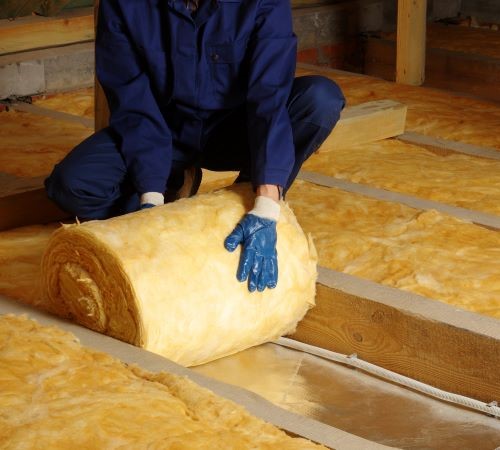
We have a social responsibility to ensure that homes are of a decent quality and that our energy demand for heating homes is not wasteful.
Why are these ethical issues particularly important?
We spend the majority of our time indoors so housing conditions have a huge impact on public health, especially for vulnerable people such as those with respiratory health conditions. There can be risks of serious health issues, including from exposure to mould, excessive cold or excessive heat, and a lack of access to clean fresh air. Health impacts tend to be more serious in more deprived areas. It is therefore important that we support action for health inequalities, because everyone should be able to expect that their home is safe.
Additionally, we need to consider the potential for increasing risks from changing patterns of extreme weather. For example, we are seeing more regular heatwaves during summer months when many homes are difficult to keep cool. It is good to see that building regulations are acknowledging these risks, but homeowners need to be shown how to regulate indoor temperatures using suitable shading and ventilation alongside measures to prevent heat loss.
If these needs are not acted upon, vulnerable populations will suffer. Poor retrofits have major public health and safety implications – in some ways this issue is similar to the Grenfell Tower situation where professional failures in the process of retrofit and upgrade led to devastating consequences.
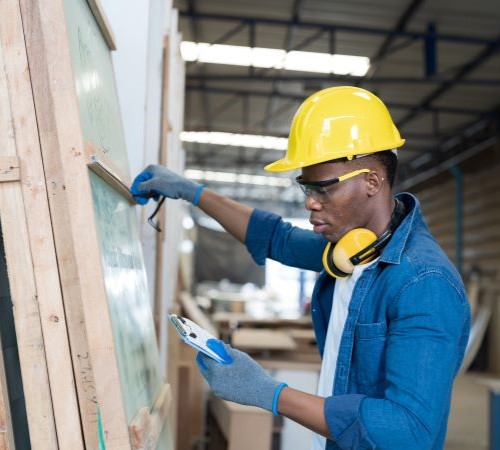
It is important that we support action for health inequalities, because everyone should be able to expect that their home is safe.
Which of the ethical principles are most important here?
Retrofit is not just a matter of installing the right insulation to improve energy efficiency. It opens up opportunities to introduce low carbon heating, reduce draughts and make improvements to ventilation. Making the correct decisions and delivering the correct improvements will intersect with a variety of the Statement of Ethical Principles: Responsibility to Society encourages us to think about health outcomes; Honesty and Integrity encourages us to think about how we are providing clear and accessible information for people who own or rent homes.
These ethical principles apply throughout the whole process; from resident engagement and installation to quality assurance and monitoring.
What can engineers do differently on this issue?
Architects, building engineers, technicians and inspectors need to have skills relating to building performance evaluation. In undertaking retrofit works, everyone in the process needs to have a good understanding of the importance of a building’s impacts on the health of its occupants, and needs to show compliance with all regulations relating to health.
There are concerns that construction and retrofit sectors lack sufficient trained capacity to deliver at a national scale. The government has made commitments for supporting apprenticeships. This could be tremendously valuable if the support offered is bespoke training and skills development for engineers, technicians, and installers, but it will require sufficient funding.
What are the risks of doing nothing?
Fundamentally, we will continue to have poor quality homes. If we do not upgrade older buildings which do not need to meet new standards, we will face long-term degradation of the quality of our building stock. For new builds, the majority of projects are led by large developers where the priority will be on delivering high numbers of units in the most cost-
effective way - and not necessarily on the most robust and sustainable designs. I believe we have an ethical commitment to future generations to take steps towards more efficient, safer and healthier buildings, both new-build and our existing housing stock.
Ethical practices need to underpin our approaches to retrofit; these programmes are not only about insulation but also new low carbon heating systems for reducing our carbon footprint, improved ventilation systems, and even cladding remediation to improve fire safety.
What challenge would you set any engineer working in this area?
We need to be conscious of the lifetime of each building and then determine what is needed to ensure that the intended benefits from retrofit are maintained over time. Engineers should be mindful of the individuals and families living in these buildings, and think about how important good practice is to them and their quality of life. It may not be cost effective to carry out all possible retrofit works initially, but there should be a long-term plan for each building allowing work to be carried out in phases.
I would encourage people who are working with homeowners to engage in discussions on building performance and the steps that they can take to manage their homes. In my personal experience when designing my new home, I was advised that increasing thermal mass of the materials used would actually lower the EPC rating, which felt counterintuitive. Having someone to talk to is important to help people to make informed choices.
Related content
Engineering Ethics: Q&A with Dr Heather Smith
Dr Heather Smith, senior lecturer in water governance at Cranfield University, explores the ethics behind responsible w…
Engineers: what will your work look like in 100 years time?
Associate Director for Policy at the Royal Academy of Engineering, Dr Natasha McCarthy, explores the ethics behind tech…
Engineering Ethics: Q&A with David Short
David Short, systems engineering consultant in the defence industry, explores the ethics behind responsible self learni…