

Susan Gourvenec is Professor of Offshore Geotechnical Engineering and Deputy Director of the Southampton Marine & Maritime Institute at the University of Southampton. Her research addresses technology gaps at each stage of the engineering life cycle of ocean structures. She is also a Royal Academy of Engineering Chair in Emerging Technologies for Intelligent and Resilient Ocean Engineering.
The Academy’s Policy team spoke to Susan about the ethical considerations that underpin offshore engineering, and the practical steps engineers can take to ensure these systems are designed and delivered responsibly.
What is offshore engineering?
Offshore engineering provides vital societal services; we rely on underwater cables for power and communications, and our offshore environment provides us with resources to enable clean energy through offshore renewable energy technologies. Offshore engineers are responsible for the design, construction, operation, maintenance and decommissioning of structures in the marine environment. These include for example infrastructure for offshore oil & gas, for offshore wind, wave & tidal, and subsea cables. Across these sectors engineers have a key role in the development of next generation resilient engineered systems that will unlock ocean space and resources more efficiently, sustainably and justly.
What are the critical ethical issues in this area?
There are a variety of decisions that need to be made through the offshore engineering process, each with ethical considerations – from where to build new infrastructure, choices for materials and supply chains, how and where components are constructed and decommissioned, and the safety and welfare of workforce throughout the design life. These decisions have real impacts for society, environmental health, and the sustainability of development. Ethical practices inherently involve ensuring that informed and inclusive decisions are made.
Where we put new offshore assets is determined by marine spatial planning laws, in combination with market forces and project costs. However, there are competing priorities in marine spatial planning, for example targets for marine biodiversity net gain and demands for space and resources from other sectors. Siting of offshore activities needs careful assessment and planning to be able to balance social, environmental and economic gains against potential detriment. This process should incorporate a diverse range of voices representative of all affected stakeholders.
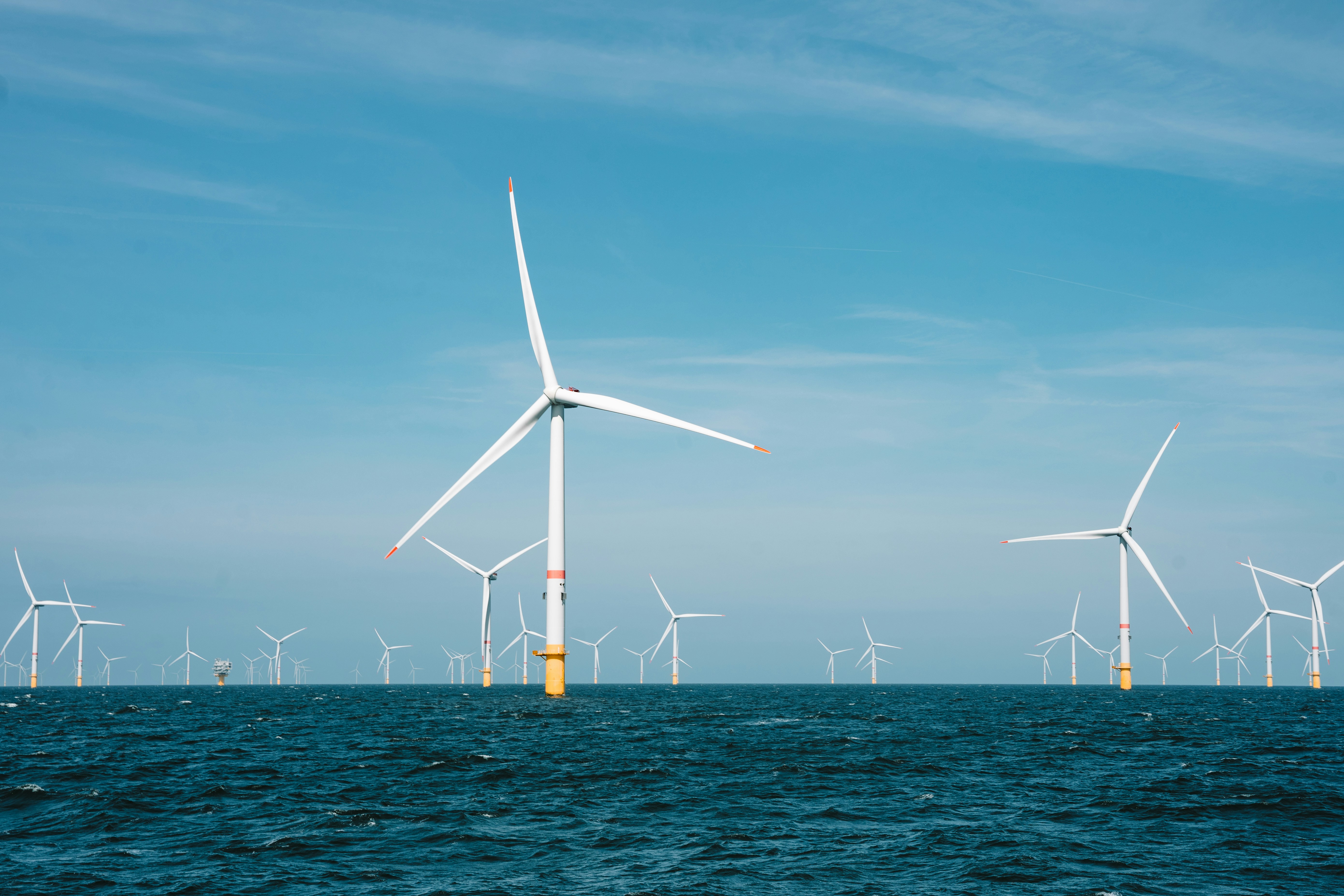
Ethical practices inherently involve ensuring that informed and inclusive decisions are made.
Design choices affect our demands on raw and critical materials and determine how sustainably structures can be managed at the end of working life. In terms of raw materials, we need to support ethical mining practices and lower-carbon approaches to manufacturing. In terms of decommissioning, early planning for where and how components and materials are managed is essential, ensuring capability is in place. Engineers should be collecting data through the life of infrastructure to validate existing models and inform new modelling tools, such as digital twins, to predict how asset performance changes over time. This will effectively update the ‘best before’ date to avoid wastage and allow preparation for how structures can be deconstructed, reused or recycled effectively.
Working offshore presents inherent potential for health, safety and welfare concerns of crews as offshore sites are isolated and exposed to the elements. Emerging technologies have an immense role to play in reducing risk by removing people from higher-risk environments. For example, in offshore renewable energy, where structures are uncrewed, facilities are increasingly monitored remotely, using autonomous systems and sensors.
The nature of the market means that countries with the capability to deploy offshore renewables at scale will dominate ownership, and development of technology and international practices could potentially restrict emerging markets. This could delay the global deployment of offshore renewables, ultimately denying everyone the global benefits of net zero and climate repair. The ‘key players’ must embrace inclusivity in the development of practices from design and deployment through to decommissioning to ensure maximal and equitable benefits globally.
Why are these ethical issues particularly important?
We still have limited evidence to support our decisions, such as the long-term impacts of a variety of marine-based activities on the environment and society. Improving knowledge across these areas will enhance, for example, marine spatial planning decisions reducing risk of unintended consequences, or processes for recycling wind turbine blades and other components that in turn support circularity of materials. Some excellent research initiatives are creating the evidence base to help better understand these challenges and develop solutions, but there is still a long way to go.
There are examples of shocking impacts on workers, local communities and the environment when end-of-life needs are not adequately or responsibly planned for. In the maritime sector shipbreaking is a stark example, where ships are resold at the end of their operational life, for decommissioning. More than 80% of ships globally end up on beaches in South Asia, dismantled by a workforce operating in unsafe conditions, and who are exposed to high levels of contamination. It is important that we do not replicate the regulatory and business models that support these unsafe and unsustainable practices as a new offshore renewables end-of-life market emerges.

It is important that we do not replicate the regulatory and business models that support unsafe and unsustainable practices as a new offshore renewables end-of-life market emerges.
Which of the ethical principles are most important here?
Building structures should actively involve management across the lifecycle, including considerations for inclusive inputs for engineered systems and the downstream end-of-life planning. Behaviours that encourage taking responsibility for the future of technology, society, and the environment, work towards these goals.
Ocean environments are complex, inter-connected and dynamic, and we don’t yet have a comprehensive understanding of the cumulative impacts from marine-based activities or potential unintended consequences. As offshore sectors grow, it is our ethical responsibility to build our evidence base, and ethical practices should involve introducing adaptive management approaches where we can incorporate lessons learned over time into future decision making.
What are the risks of doing nothing?
A concern for offshore renewables is that the sector can be held up by indecision driven by uncertainty over how the environment might respond to the deployment of offshore wind at scale, resulting in excessively cautious or onerous requirements being placed on the green energy sector.
For example, current practice places an arguably unfair onus on offshore wind developers to restore the local marine environment, which has been degraded by many decades of other maritime and terrestrial activities, including fishing, shipping and offshore oil and gas extraction, alongside burning of all fossil fuel, run off from agriculture and plastic waste.
This approach creates a scientific and ethical dilemma as the evidence shows that delaying decarbonisation of our energy system will have known and significant negative impacts on the global ocean and planetary health.
The space required to deploy offshore wind at a scale to meet the UK’s net zero targets is less than that occupied by current offshore oil and gas infrastructure. Additionally, well-meaning requirements for marine net gain that are set at a local level have the potential to cause wider environmental harm at a global perspective due to their impact on the rate of decarbonisation. There is clearly, therefore, a need for better systems thinking.
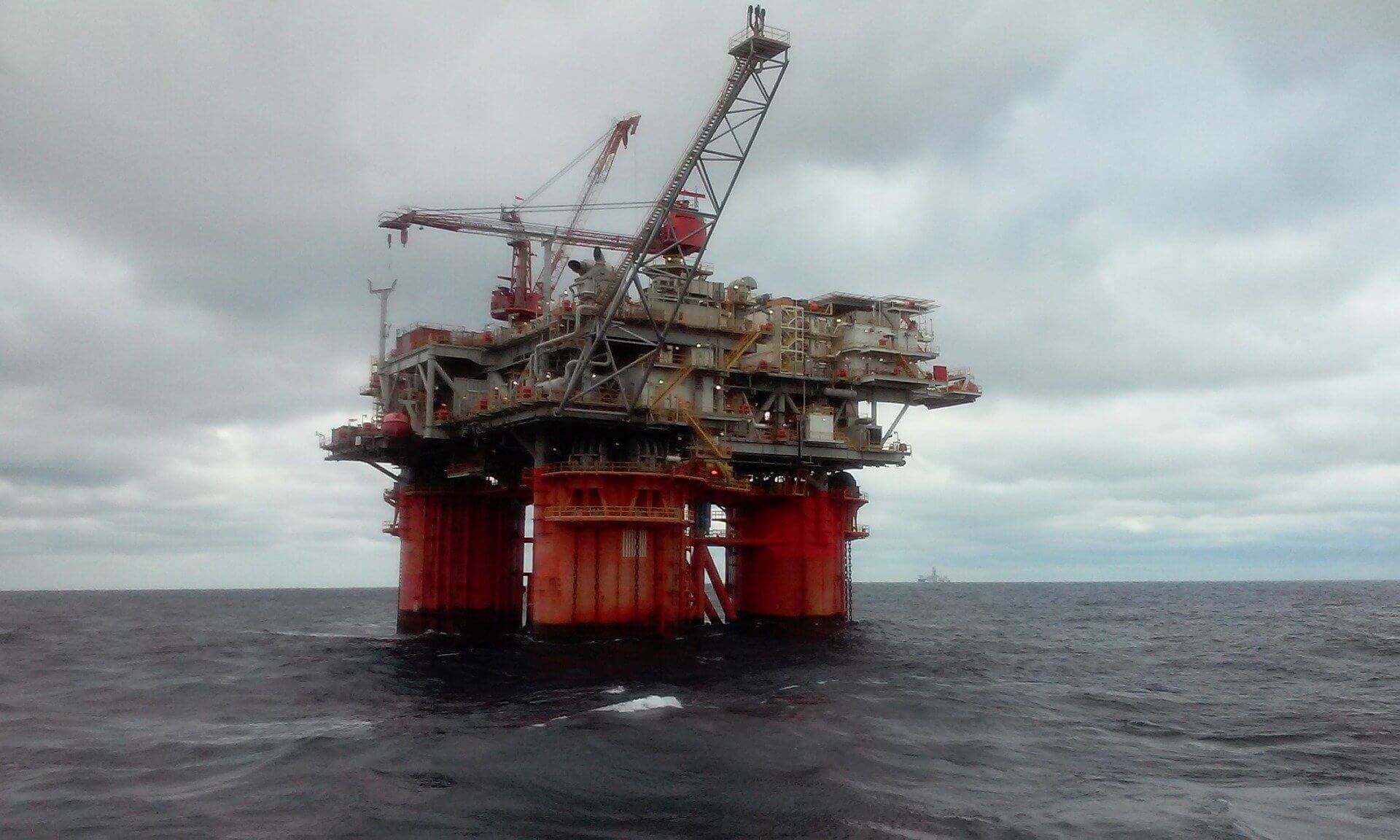
Our choices affect demands on critical materials at the initial design stage and determine how sustainably structures are managed at the end of their working life.
What can engineers do differently on this issue?
I believe that we can, and need to, grow offshore energy at pace, while ensuring that we have systematic environmental monitoring to develop adaptive management approaches that will support decision making as evidence and technologies evolve.
Recently, the AHEP4 requirements in undergraduate training of engineers have strengthened the focus on engineering of sustainability, security and social justice. This is inspiring engineers to play a stronger role in creating and advocating for a sustainable energy future alongside climate action and nature repair. As the offshore energy sector grows, I am glad to see this role of stewardship being embraced by new generations of engineers who can take a proactive view of future impacts.
As the offshore energy sector grows, I am glad to see this role of technology and environmental stewardship being promoted with new generations of engineers.
What challenge would you set any engineer working in this area?
Efficiency gains through optimisation at every stage of the project life cycle have a critical role, and I would challenge the engineering community within offshore sectors to explore how we can optimise material usage in the design of new structures – both in terms of the amount and type of material. This will have an enormous benefit on our resource demand and how much we must deal with, and how we can deal with those materials at the end-of-life stage.
I also believe that persistent monitoring should be embedded into good practice to build the evidence base and improve our understanding of how activities, or combinations of activities affect performance and the environment. As such, I would also challenge the engineering community and regulators to explore and embrace new approaches and technologies to en-able structural and environmental monitoring across scales both temporally and spatially. A robust and comprehensive evidence base will enable us to make more informed decisions to achieve efficient, sustainable and ethical engineering outcomes.
Related content
Engineering Ethics: Q&A with Professor Malcolm Macdonald
Malcolm Macdonald, Professor of Applied Space Technology at the University of Strathclyde, explores the ethics behind t…
Engineering Ethics: Q&A with Luke Bisby
World-leading researcher and educator, Professor Luke Bisby, explores the ethics behind structural engineering and fire…
Engineering Ethics: Q&A with David Bogle
David Bogle, Emeritus Professor of Chemical Engineering at UCL, explores the ethics behind responsible engineering biol…