

Professor Luke Bisby is a world-leading researcher and educator in structural engineering and fire safety. His internationally recognised work has profoundly influenced structural fire engineering education, research, testing, analysis and design. He is also widely recognised for the use of fibre-reinforced polymer composites in construction applications, in which he is the world authority on fire performance for both structural-strengthening and concrete-reinforcing applications.
The Academy’s Policy team spoke to Luke about the ethical considerations that underpin structural engineering and fire safety.
What is structural engineering?
Structural engineering relates to the design and construction of structures, anything from bridges, rollercoasters and skyscrapers, to hospitals, homes, and public artworks. Structural engineers design and assess structures to assure that public safety is addressed, including ensuring that structures are strong enough to withstand a diverse range of loading types and that they function as intended. The whole of society relies on infrastructure and the built environment, and the public puts its trust in the engineering community to ensure the safe and smooth operation of these essential engineered artefacts and environments. The responsibility for these expectations raises critically important questions on ethics and professionalism.
What are the critical ethical issues in this area?
Structural engineers have a responsibility for managing the strength and stability of physical structures. Broadly speaking, there are ethical questions underpinning the general practice of structural engineering, we need to decide and agree on how safe is ‘safe enough’ when building something new or assessing the safety of existing buildings and infrastructure. Everyone in the process, from the funders to builders to approvers to inspectors, needs to consider who has the right (both legally and morally) to assess safety, adjudicate over the adequacy of safety, and determine specifications for the project. These questions must be considered in the context of who could potentially suffer if things go wrong, and whose interests are being served in the decision making; and critically, the extent to which these align. At least from my perspective as an academic, I don’t think these questions are being discussed nearly enough, either in education or within the industry.
It is important to recognise that there is lots of good practice out there, but we must admit that there are cases of bad practice too. The UK is currently facing a housing crisis, and in the wake of the Grenfell tragedy we must recognise that there are serious challenges for culture, competencies, and regulation that will have drastic consequences. We often talk about culture needing to change, but I feel there is a lack of specificity in our thinking about what that actually means, and how to actively drive forward real changes across the sector.
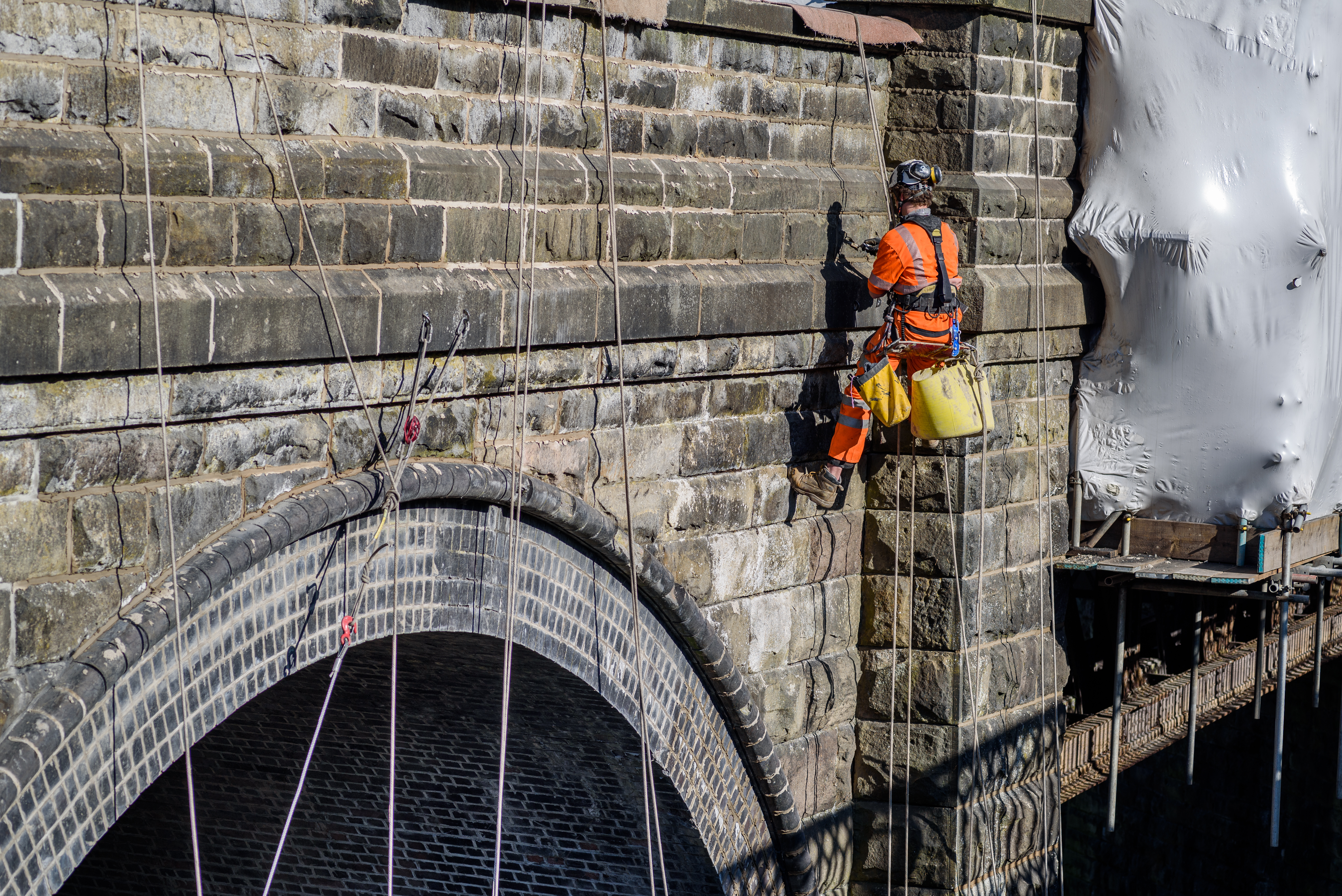
From a regulatory perspective, there needs to be rigorous legal requirements, diligently and consistently enforced, to offer challenge and oversight to hold people to account.
Ethics is not distinct from competence; rather it is an important part of competence. In the construction industry it can often feel like a tick-box mentality exists whereby a professional qualification is viewed as meaning that competence is “done”, but of course competence is continual journey rather than a destination. People need to be actively thinking about and reflecting upon what they might not know. From a regulatory perspective, there needs to be rigorous legal requirements, diligently and consistently enforced, to offer challenge and oversight to hold people to account for their actions. We have seen for high-rise and/or high-risk buildings that this oversight has at times been lacking, and the sector is now having to take major steps to try to perpetuate the necessary culture changes.
Why are these ethical issues particularly important?
In realistic ‘worst-case’ scenarios, such as we have witnessed in recent years, we can be faced with horrific incidents and casualties that we perhaps could have prevented. Having a competent, ethical workforce, and a culture of outcome-focused practices is therefore crucial for protecting people.
The construction sector has a wide variety of standards and codes of practice in place, and it can be easy for practitioners to just assume that following standard procedures can ensure safety. However, this must be enabled by a skilled workforce who understand the logic and intent underpinning any rules they choose to apply. Recent examples of poor installation of external wall insulation have worsened the condition of buildings because the impacts of moisture, for instance, were not competently factored in, and project delivery and oversight was poor.
Structural engineers and other engineering design professionals should be expected to ask questions, consider what each specific project needs, and then be prepared and able to think through possible failures and strategies for their mitigation. A professional and ethical culture in the construction sector will mean that designers, approvers, and those who deliver projects all have a predisposition to behave in this way.
Which of the ethical principles are most important here?
While all the principles raise important things to think about, the most direct links are within responsibility to society and accuracy and rigour - which highlight the importance of having the right knowledge to tackle a project and proactively manage safety in the built environment.
I think that the engineering community could be more open to exploring the concepts within the Statement of Ethical Principles and unpicking what we really mean in practice, and to consider possible challenges of, or contradictions between, the various principles. For example, being willing to have a conversation about what the responsibility of engineers is with respect to the climate emergency, and how this might be feasibly addressed within project/business priorities. It’s not that there is one right answer, but it’s about having the conversation in an open and transparent way.
Engineering covers a broad suite of professions, and it can be hard to articulate the overall “good” of engineering, and ultimately this could cover anything from safety to the sustainable development goals, to improving human rights. Infrastructure directly and indirectly affects billions of people, and so thoughtful, ethical practice in engineering truly becomes a social responsibility.
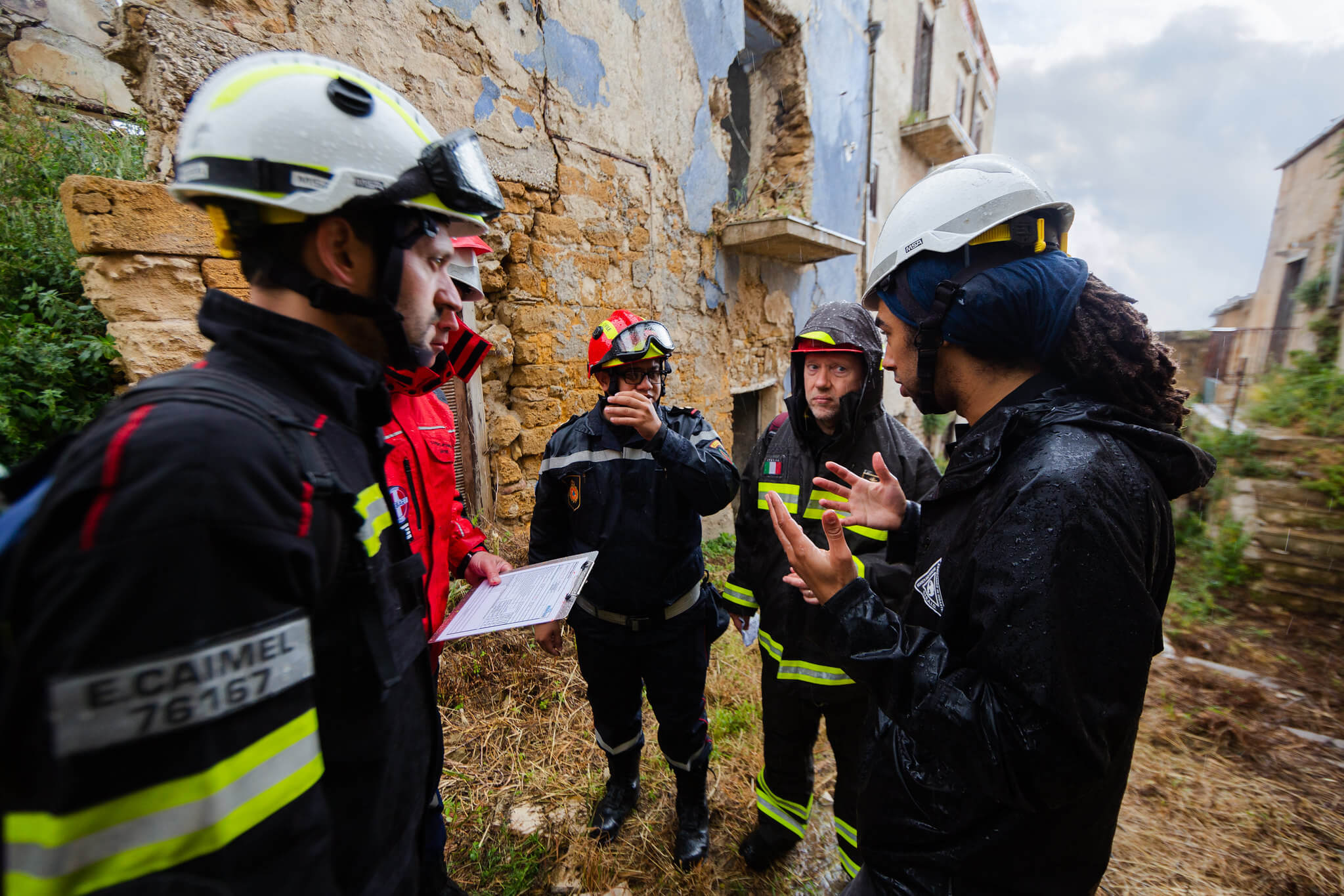
Infrastructure directly and indirectly affects billions of people, and so thoughtful, ethical practice in engineering truly becomes a social responsibility.
What can engineers do differently on this issue?
Engineers could be finding ways to integrate more open discussion on the application of ethical practices in a meaningful way. We should ensure that new engineers have some experience in assessing examples of infrastructure failures to learn from past incidents and learn where interdependencies need to be factored into their planning in future. Similarly, when looking at new innovations or developing new standards there needs to be a focus on how these can be regulated in an effective way to protect public safety and adequately mitigate adverse outcomes.
We should also be encouraging engineers to engage in conversations about the application of the ethical principles if we want to influence professional behaviour. The messages within the principles must not be viewed as a definitive to-do list, but rather as a means of guiding sometimes challenging and difficult discussions and decisions. If you hire someone to design a building, you should rightly expect that they have the knowledge and skills to be able to modify the typical design codes to tailor the design to the specific needs of the project. When it comes to ethics, we do not insist on the same depth of fundamental understanding. The principles contain some overlaps and potentially competing priorities, so engineers need to develop the skills to manage the trade-offs, engage widely in decision making, and set(and be able to defend) the priority principles for a specific project; just as they would for technical engineering decisions. In some jurisdictions applied ethics has more prominence in engineering communities, but in the UK I have observed a lack of deep connections with philosophers and ethicists.
What are the risks of doing nothing?
By not asking these questions, we risk failures (potentially catastrophic) within the built environment, as well as cases of poorly designed, delivered, or maintained structures that can leave us with staggering remediation costs, for example as we are seeing with the ongoing building safety crisis. In this case, the problems have been built up over long timescales. If there had been more proactive attention on the potential risks and a steady progress of changes, then we perhaps wouldn’t be in the situation of disruption and economic consequences that we are. Sometimes, we need to be more open to a slightly renegade mentality, at least where we can be willing to listen to people who have ideas about potential problems, and give them fair consideration despite the sometimes inconvenient challenges they might raise.
However, getting investment in addressing potential problems can be challenging. While we can see the costs after an incident occurs, both in what is lost and in the price of repair and recovery, it can be hard to demonstrate what is being saved for high building costs when we effectively prevent safety incidents. It is hard to claim kudos for preventing a catastrophe that never happens. This is an argument that can and should be made by engineers more clearly.
What challenge would you set any engineer working in this area?
My standard advice to people coming into the sector is not to mindlessly follow rules, neither technical nor ethical ones, but instead to take the effort to understand the intentions behind them. It is important to learn from the examples of infrastructure failures, understanding the contributing factors and the role of subjective risk assessment. I would challenge engineers to build skills throughout their careers in outcomes-based approaches for design and construction.
I think this applies to the ethical principles too; prescriptive ethical rules cannot possibly deal with the complexity of real-world ethical challenges. It’s not a matter of ticking off an action that covers each of the bullet points because being an ethical engineer is not this simple, but being proactive in asking questions to understand where the principles come from, what incentives they are operating under, and what applies in each project you work on.
We should be encouraging engineering professionals to engage more deeply in conversations about the definition and application of ethical principles if we want to influence professional behaviour.
Related content
Engineering Ethics: Q&A with Richard Maudslay
Richard Maudslay, Director of Laser Light, explores the ethics behind insulating homes.
Engineering Ethics: Q&A with Dr Heather Smith
Dr Heather Smith, senior lecturer in water governance at Cranfield University, explores the ethics behind responsible w…
Engineering Ethics: Q&A with Professor Susan Gourvenec
Susan Gourvenec, Professor of Offshore Geotechnical Engineering at the University of Southampton, explores the ethics b…