

Professor David Bogle is known for developing computer aided process design and control engineering methods, enabling their application to biochemical and pharmaceutical processes. He has been actively engaged across the sector, including as President of the Institution of Chemical Engineers in 2022-3 and chairing the 2005 World Congress of Chemical Engineering.
The Academy’s Policy team spoke to David about the ethical considerations that underpin engineering biology, and the practical steps engineers can take to ensure these systems are designed and delivered responsibly.
What is engineering biology?
Engineering Biology considers the application of engineering to biology, including the design, scaling and commercialisation of biology-derived products and services that can transform sectors of the economy. In its application, engineering biology is driving progress across the bioeconomy. It can transform existing supply chains such as replacing petrochemical feedstocks and develop new products more sustainably such as dyes and medicines. It can also create entirely new sectors, such as personalised biotherapies.
In doing so, it can help address global issues such as sustainability and major health challenges, as well as helping secure the UK’s safety, resilience and supply chains. There is a wide range of engineering roles and careers within engineering biology and the scale and nature of the challenges they can work towards can have significant and direct impacts on society, with potential for engineers to come up against significant ethical issues.
What are the critical ethical issues in this area?
There are applications of engineering biology across a wide variety of sectors including healthcare, agriculture, low carbon fuels, and in the military and security domain, each of which have significant ethical questions.
I believe that applications to health are probably the most well-known and least controversial. Drugs and vaccines are already made using advanced biology with general acceptance and new advancements in monitoring technologies are gaining traction. We have seen a positive impact on health monitoring and managing health conditions, even those previously deemed untreatable, and improving quality of life. This is a huge societal impact.
However, while the potential for benefits in new health research are welcomed, there can be challenges regarding equal access to funding and technologies. Given that pharmaceutical companies are most interested in new medicines with large volumes of product, ethical issues can then arise from the reality that the greatest needs are often in treatments needed for diseases prevalent in the developing world where funds are limited and for those with small patient numbers.
There is much more scepticism in other engineering biology sectors such as agriculture and in military applications. For the agricultural sector, there are many potential benefits in terms of efficiency and quality for making biological adjustments to crops and livestock.
There has been considerable discussion about the benefits of genetically modified crops and their potential to merge with wild strains. As new approaches are developed it will be important to consider if these new crops are being made to benefit everyone, including those often excluded, or whether they are only being aimed at dominant markets.
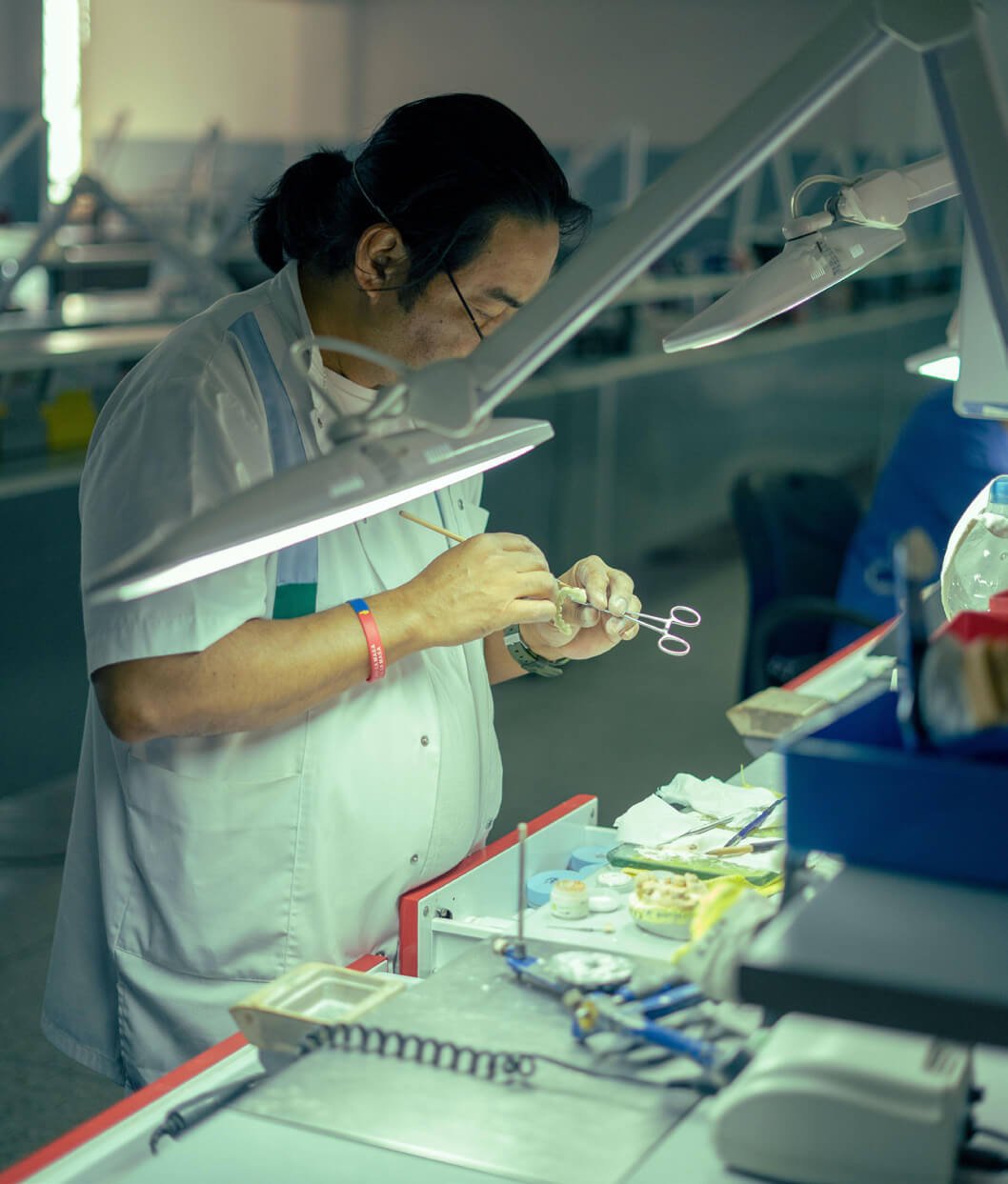
Engineering biology is driving progress across the bioeconomy, and in doing so it can solve global challenges as well as help secure our safety, resilience and supply chains.
There could be significant impacts in different regions. For example, better engineering of agriculture in the developing world comes with the propensity to disturb historical work patterns and cause job and livelihood loss, with potential consequences on migration. Additionally, biofuels are often proposed as a more sustainable source of energy but there are ethical issues around limited availability of water and the potential for biofuel crops to supplant agricultural land essential to support food production.
For military applications, biological weapons have long been in use resulting in international agreements to control their use. The propensity for very sophisticated weapons (offensive and defensive) using synthetic biology is considered widely by security forces, with most research and development inevitably in secret. This is an area that probably has had considerable scrutiny behind closed doors, but it is an area that raises concerns with the public.
Why are these ethical issues particularly important?
Engineering biology sectors are trying to address major global challenges. However, there is a common thread in the economic and political challenges and the key underlying ethical questions in that the greatest need is often in the areas or populations with the least resources to pay for new medicines or technologies, hence exacerbating inequality. This opens up questions as to whether we are prioritising wealthier markets.
We need to ensure that new advances are centred around the opportunities to benefit everyone, and that the potential risks are understood and their mitigation well explained. New generations of engineers must be prepared to ask ethical questions and require funders of innovations to provide challenge on ethical consequences.
Similarly, we need to have regular involvement of engineers in policy and regulation development, ensuring informed decisions can be made based on up-to-date engineering knowledge.
Which of the ethical principles are most important here?
Responsibility to society, ‘in the wider public interest’ as highlighted in the Statement of Ethical Principles, is a key principle. There needs to be a culture shift in industry to always consider how to maximise public good alongside business priorities and by embedding practices that give weight to improving people’s lives. We must also ensure that we are minimising adverse impacts for future generations.
I think that a crucial challenge arises from transparency of information. Ensuring presentation of data without bias is also highlighted in the Statement of Ethical Principles and without this practice there can be real harm in misinformation. As a stark example, tobacco companies knew about health risks before they became common knowledge and, while health information is now visible, restricting access to this information prevented people from having an informed choice.
Cases like this can weaken perceptions and trust. If those developing new pharmaceutical innovations are not engaging in public discussions, they could be met with a lack of confidence in new products if people feel they are not well-informed or suspect there are undeclared conflicts.
Technology developers can be wary of how people understand and react to negative information, and this can mean that we’re not having discussions on how new things are developed. This aligns with the principles for honesty and accuracy. There can be a tendency for positive bias in data sharing resulting in a public narrative that is heavily ‘techno-optimist’ which engenders a culture of working behind closed doors and discussing only benefits openly. Given that many sectors within engineering biology need to be founded on genuine public trust, sharing positive and negative results will be an important part of encouraging public discussion and bringing people with us more effectively in the journeys of new technological developments.

There needs to be a culture shift in industry to always consider how to maximise public good alongside business.
What can engineers do differently on this issue?
Engineers have important roles in biology-focused sectors, deploying skills in quantification, computation and the engineering problem-solving design mindset. It is great to see creative new ideas, but there can be a tendency to push forward new technologies without considering the long-term needs or implications. This can be seen in challenges for sustainability of AI systems and data centres. Engineers need to be thinking about impact and the potential for systemic consequences so this can be brought in early in research design. I think we should be supporting young engineers to be responsible risk takers, discussing both positive and negative impacts more openly.
Both the organisations that are offering funding and the people supporting peer review have a role in asking questions about systemic consequences and encouraging planning around it.
Some universities require students to have a dedicated impact statement in their doctoral thesis, and encouraging practices such as these are an important step to embedding an ethical way of thinking and learning to express ideas clearly. We should also encourage the discussion in the engineering curriculum of ethical issues arising from coursework and using published case studies.
The next generation of engineers and entrepreneurs need to think more about the impact and systemic consequences of new technologies, embedding ethical questions into design and rollout.
What are the risks of doing nothing?
There would be a real danger of undermining the credibility of engineers and ultimately in the trust of society and the acceptance of new innovations. Things can always go wrong, and it is important to understand potential risks and impacts so that we can plan to respond, if and when we need to. For example, building evidence to better understand what happens when modified crops spread into wild ecosystems can inform plans to mitigate and respond, and build confidence in the sector and its ability to manage impacts. If we could support an open public debate about risks and mitigations, then these products could be better understood and not feared. Understanding the potential impacts and encouraging wider engagement with the engineering biology research base is fundamental to being able to consider where the ethical challenges lie.
We also need to think about access: if we do nothing then we will be enabling a “postcode lottery” for access to new technologies or targeting benefits at certain communities.
What challenge would you set any engineer working in this area?
Always consider the ethical consequences of innovations you are involved in, considering systemic effects on all stakeholders, and discuss these with your team. Every engineer needs to be skilled at articulating the potential consequences and the mitigation balancing risk against benefit. For those who are actively involved in the development of research and innovation policy, I would also ask for action to insist that funders are requiring researchers to outline the potential ethical consequences of their research.
We need to be getting the public voice more involved; to understand their concerns so this can inform the design and development of new technologies and consider the impact that engineering biology sectors could have.
Related content
Engineering Ethics: Q&A with Richard Maudslay
Richard Maudslay, Director of Laser Light, explores the ethics behind insulating homes.
Engineering Ethics: Q&A with Professor Susan Gourvenec
Susan Gourvenec, Professor of Offshore Geotechnical Engineering at the University of Southampton, explores the ethics b…
Engineering Ethics: Q&A with Luke Bisby
World-leading researcher and educator, Professor Luke Bisby, explores the ethics behind structural engineering and fire…